
Online Hair Loss Treatment for Men
Noticing a receding hairline, thinning crown, or more hair in your brush? Hair loss can happen gradually, but you don’t have to guess what’s causing it or which treatment may help.
At SDKare, we offer online hair loss treatment for men through licensed U.S. healthcare providers. Get a private evaluation, understand your hair loss pattern, and explore prescription treatment options based on your health needs.

Licensed Providers for Hair Loss
HIPAA-Compliant Hair Loss Consultations
Personalized Hair Loss Prescription Evaluations
Transparent Self-Pay Care
What Is Male Pattern Hair Loss?
Male pattern hair loss, also called androgenetic alopecia, is a common type of hereditary hair thinning. It usually develops gradually, affecting the hairline, temples, or crown.
This condition occurs when genetically sensitive hair follicles respond to certain hormones. Over time, affected follicles produce thinner, shorter hair until some may stop producing visible strands.
According to the American Academy of Dermatology (AAD), more than half of white men have visible signs of male pattern hair loss by age 50. Although hereditary hair loss can progress over time, treatment may help slow further thinning and preserve existing hair. Some men may also experience regrowth.
What Are the Early Signs of Hair Loss in Men?
Hair loss can start with subtle changes in your hairline or overall hair density before you notice a bald spot.
Receding Hairline
Your hairline gradually moves back, especially at the temples, where you may notice more space between your eyebrows and hairline.
Thinning Crown
Hair near the top and back of your scalp becomes less dense, making the crown look thinner than the surrounding areas.
Increased Scalp Visibility
More of your scalp shows through your hair, especially under bright light or when you part or style it.
Gradual Hair Thinning
Individual strands become finer over time, so your hair may look or feel less full even before you notice distinct thinning areas.
Increased Hair Shedding
You notice more hair than usual in the shower or on your brush, although shedding alone does not confirm hereditary hair loss.
If these changes persist, an online hair loss consultation can help you explore possible causes and discuss appropriate next steps.
What Causes Hair Loss in Men?
Hair loss can have several causes. Identifying what’s behind your symptoms is important because different conditions require different treatment approaches.
01
Genetics and Family History
Male pattern hair loss often runs in families. You may inherit a tendency toward gradual thinning from either side of your family.
02
Hormonal Sensitivity
Certain hormones can affect genetically sensitive hair follicles, causing them to shrink and produce thinner hair over time.
03
Stress and Illness
Significant emotional stress, illness, surgery, or rapid weight changes can trigger temporary hair shedding, sometimes months after the event.
04
Nutritional Deficiencies
Low levels of certain nutrients, including iron or protein, may contribute to hair shedding. Testing can help identify a suspected deficiency.
05
Scalp and Medical Conditions
Thyroid disorders, autoimmune conditions, scalp inflammation, and certain skin conditions may lead to hair loss.
06
Medications and Treatments
Some medications or medical treatments can affect your hair growth cycle. Your provider can review whether these may be contributing to your symptoms.
When Should You Seek Online Hair Loss Treatment?
Consider scheduling a hair loss evaluation if:
- Your hairline is gradually receding.
- You notice thinning around your crown or temples.
- Your hair appears less dense than before.
- Hair loss runs in your family.
- Your shedding continues or becomes more noticeable.
- You want to explore prescription treatment before further thinning occurs.
You do not need to wait until hair loss becomes severe.
Online Hair Loss Treatment Options for Men?
Your SDKare provider will consider your hair loss pattern, possible causes, medical history, and treatment goals when recommending next steps.
Prescription Hair Loss Treatment
If your symptoms suggest male pattern hair loss, your provider may prescribe treatment when clinically appropriate to help slow thinning or support hair growth. They’ll review your medical history and discuss potential side effects before recommending an option.
Managing Underlying Health Conditions
If your provider suspects a medical condition, nutritional deficiency, or medication side effect is contributing to hair loss, they’ll discuss how to evaluate that possibility. Addressing the underlying cause may be an important part of your care plan.
Hair and Scalp Care Guidance
Your provider may review your grooming routine and ask about scalp irritation, flaking, or hair breakage. Based on what you share, they may suggest changes to your hair care routine or recommend further evaluation for persistent scalp symptoms.
Additional Testing
If your hair loss pattern or scalp symptoms need a closer look, your provider may recommend blood tests, an in-person scalp exam, or a dermatologist referral. These steps can help clarify the cause and guide your treatment options.
Your provider will explain what you can reasonably expect from the recommended approach and when to follow up.
How Does Online Hair Loss Treatment Work at SDKare?
Get personalized men’s hair loss treatment online in four simple steps.
01
Book Your Hair Loss Consultation
Schedule a private online appointment and share details about your hair thinning, receding hairline, and concerns.
02
Meet Your Licensed Provider
Discuss your hair loss pattern, family history, scalp symptoms, and possible causes during a secure virtual consultation.
03
Get Your Hair Loss Treatment Plan
Review suitable treatment options and receive a prescription if your provider determines medication is appropriate for you.
04
Continue With Follow-Up Care
Track changes in hair density, discuss treatment response and side effects, and adjust your plan when needed.
How to Get a Hair Loss Prescription Online Safely
You can request a hair loss prescription online through SDKare when a licensed healthcare provider determines that prescription treatment is suitable for you.

Before prescribing, your provider will review:
- Hair Loss Pattern: Where thinning occurs and how long you’ve noticed changes.
- Medical History: Existing conditions that may contribute to hair loss or affect treatment.
- Current Medications: Potential interactions and medication-related causes of shedding.
- Scalp Health: Symptoms that may require further examination or different treatment.
- Treatment Suitability: Expected benefits, potential side effects, and individual health risks.
If treatment is approved, your prescription can be sent to an appropriate pharmacy for dispensing.
SDKare provides prescription evaluation and prescribing services only. We do not sell, dispense, or deliver hair loss medication.
How Long Does Hair Loss Treatment Take to Work?
Hair loss treatment takes time. You may need several months before you can evaluate whether your treatment is helping. Your progress depends on the type of hair loss, prescribed treatment, and individual response.
- Slowing Further Hair Loss: For hereditary hair loss, an early treatment goal may be reducing further thinning rather than immediately growing new hair.
- Maintaining Existing Hair: Some treatments help preserve the hair you still have. Maintaining your current hair density can be a meaningful result.
- Supporting Hair Regrowth: Some men experience thicker hair or visible regrowth. Results may take six to twelve months, depending on the treatment.
- Continuing Treatment: Hereditary hair loss often requires ongoing management. Stopping an effective treatment may lead to the loss of its benefits.
Is Hair Loss Medication Safe for Men?
Prescription hair loss treatments can be appropriate for eligible adults, but every medication has potential risks.
Side effects depend on the treatment prescribed and may include:
- Scalp irritation or itching.
- Headaches or dizziness.
- Changes in sexual function.
- Mood-related symptoms.
- Other medication-specific reactions.
Not every treatment causes these effects, and some risks apply only to particular prescription options. Before starting treatment, tell your provider about your medical conditions, current medications, allergies, and any previous side effects.
If you experience concerning symptoms, contact your healthcare provider. Seek urgent care for signs of a serious allergic reaction or other severe symptoms. Never change your prescription or dose without medical guidance.
What Happens During Your First Online Hair Loss Consultation?
Your initial appointment helps identify the type of hair loss you’re experiencing and whether prescription treatment may be appropriate.
Your provider may ask:
- When did your hair thinning begin?
- Has your hairline changed gradually or suddenly?
- Are you noticing thinning at your crown or temples?
- Does hair loss run in your family?
- Have you experienced recent stress, illness, or weight changes?
- Do you have itching, redness, scaling, or scalp discomfort?
- Are you taking medications or supplements?
- Have you tried any hair loss treatments before?
- You may also be asked to share clear photos of your hairline, crown, or affected scalp areas.
Why Choose SDKare for Online Hair Loss Treatment?
At SDKare, we make hair loss care straightforward with detailed evaluations, flexible prescription options, and transparent pricing without subscription commitments.
30-Minute Hair Loss Consultation
Discuss your receding hairline, thinning crown, family history, and possible causes during a dedicated online appointment.
Licensed U.S. Healthcare Providers
Get your hair loss symptoms evaluated by licensed healthcare professionals who assess your condition and recommend appropriate next steps.
Personalized Hair Loss Prescription Evaluation
Explore prescription treatment based on your hair loss pattern, medical history, previous treatments, and individual health needs.
Ongoing Hair Loss Progress Reviews
Review changes in hair density, treatment response, and potential side effects through follow-up consultations when needed.
Transparent Self-Pay Pricing
Pay $99 per consultation, with no insurance billing, mandatory memberships, recurring subscriptions, or automatic renewals.
Online Hair Loss Treatment Near Me
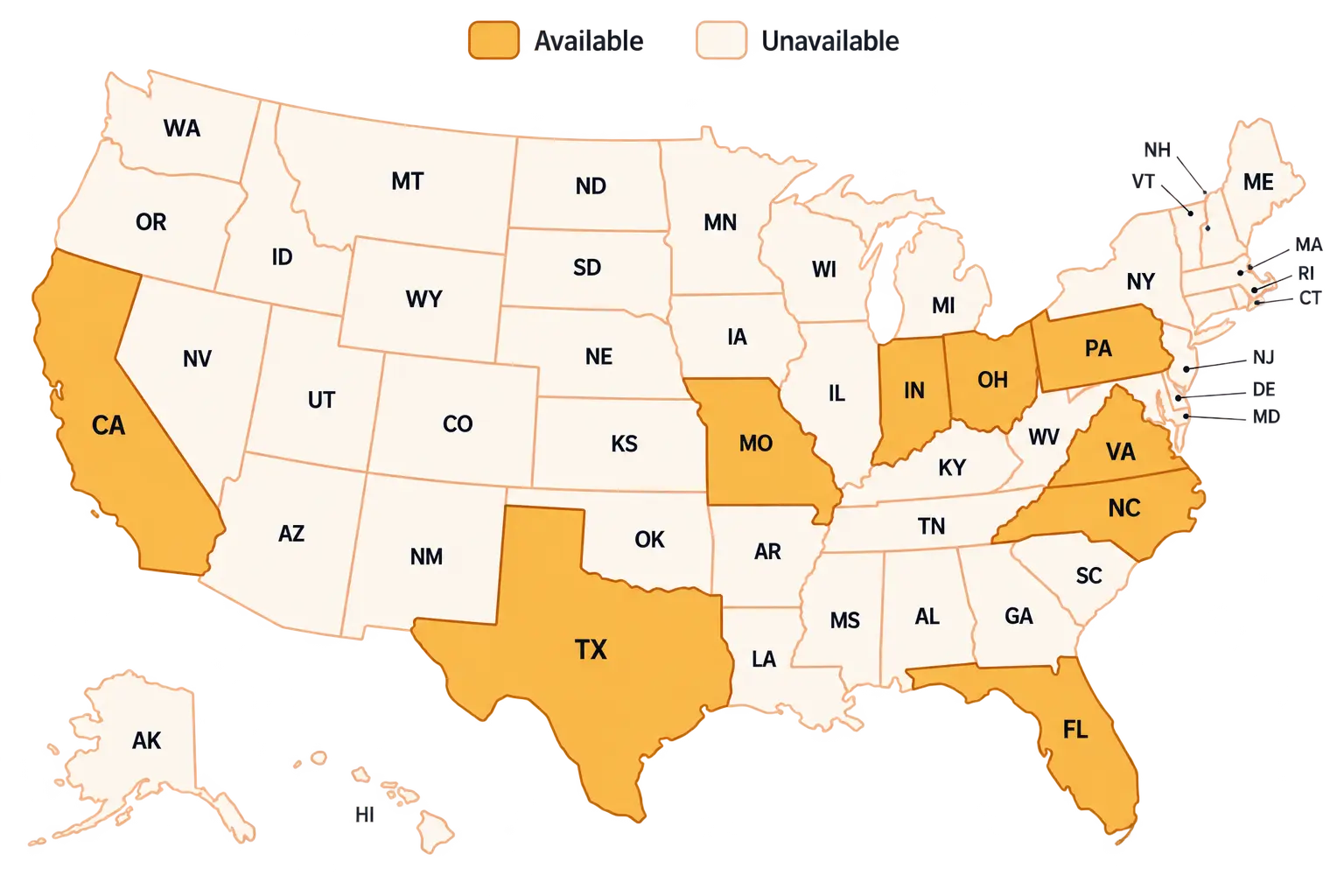
SDKare offers virtual consultations so you can discuss your hair loss concerns from home in eligible states.
Our online men’s health services are available in:
Online Hair Loss Treatment Cost
SDKare offers self-pay hair loss consultations with clear per-visit pricing. No insurance, membership, or recurring subscription is required.
Your First Appointment
Initial Visit
$99 / Visit
- Review of hair thinning and scalp concerns.
- Evaluation of medical and family history.
- Personalized treatment recommendations.
- Prescription evaluation when appropriate.
Continuing Your Care
Follow-Up Visit
$99 / Visit
- Review of hair loss progression.
- Assessment of treatment response.
- Discussion of side effects or concerns.
- Prescription management when appropriate.
Frequently Asked Questions
Online hair loss treatment lets you discuss hair thinning, a receding hairline, or scalp concerns with a licensed healthcare provider through telehealth. At SDKare, you can receive a medical evaluation and personalized treatment recommendations without a routine clinic visit.
Yes. Male pattern hair loss can often be assessed using your medical history, thinning pattern, and clear scalp photographs. If your symptoms suggest another condition, you may need an in-person scalp examination.
Schedule an online consultation with SDKare to discuss your symptoms and treatment options. If prescription treatment is appropriate, your provider can send your prescription to a pharmacy. SDKare does not sell, dispense, or deliver medication.
Some receding hairlines may respond to treatment, particularly when affected hair follicles remain active. However, complete regrowth is not guaranteed. Early treatment may help preserve existing hair and reduce further thinning.
Hair loss in your twenties can result from genetics, hormonal sensitivity, stress, nutritional deficiencies, or certain health conditions. Gradual thinning around the temples or crown may suggest hereditary hair loss, but other causes should also be considered.
Hereditary hair loss commonly causes gradual thinning at the hairline, temples, or crown. A family history can increase the likelihood, but it is not required. Your provider can assess your symptoms and determine whether further testing is necessary.
There is currently no permanent cure for hereditary male pattern baldness. Treatment may slow its progression, help maintain existing hair, or encourage some regrowth. Continued treatment is often needed to maintain benefits.
Hair loss treatment typically requires several months before noticeable changes appear. Depending on the treatment, you may need six to twelve months to assess its effectiveness. Results vary with your hair loss pattern and response.
It may. If you have hereditary hair loss, stopping an effective treatment can allow thinning to resume and treatment benefits to fade. Your provider can explain whether ongoing care is appropriate.
Prescription hair loss treatments can be suitable after a medical evaluation, but potential side effects vary. Your provider will review your health history, current medications, and treatment risks before recommending a prescription.
Yes. Significant stress, illness, or major life changes can trigger temporary excessive shedding, often appearing a few months after the event. This differs from hereditary hair loss and may improve once the triggering factor resolves.
Not always. Blood tests may be recommended if you have sudden shedding, signs of nutritional deficiencies, thyroid-related symptoms, or other medical concerns. Gradual hereditary thinning may not require the same testing.
Yes. SDKare offers online hair loss consultations in eligible states, allowing you to discuss your concerns from home. Availability depends on your physical location, provider authorization, and clinical needs.
SDKare currently lists $99 for an initial hair loss consultation and $99 for a follow-up visit. Prescription medication, laboratory tests, or specialist services may cost extra. Confirm your total appointment cost before booking.
No. SDKare provides self-pay hair loss consultations without insurance billing. You pay for the appointments you book, with no mandatory memberships, subscriptions, or automatic renewals.
There is limited evidence that scalp massage improves hair thickness, but it has not been proven to prevent male pattern hair loss or produce meaningful regrowth. You can use gentle scalp massage for relaxation, but it should not replace treatment for an underlying hair loss condition.
Vitamin D, biotin, and nutrients such as iron and zinc support normal hair health. Supplements may help if you have a deficiency, but taking extra nutrients does not guarantee hair growth. Excessive supplementation can also be harmful, so ask your healthcare provider whether testing is needed.
Losing approximately 50–100 hairs daily is generally normal. You may notice more shedding during washing or brushing. However, persistent excessive shedding, visible bald patches, or progressive thinning may indicate a condition that needs evaluation.