
Online Testosterone Replacement Therapy (TRT) for Men
Low energy, reduced sex drive, or changes in muscle strength can leave you wondering whether your testosterone levels are low. A proper evaluation can help you understand what’s happening.
At SDKare, we offer online testosterone replacement therapy (TRT) consultations with licensed healthcare providers. Review your symptoms, complete the necessary blood tests, and find out whether TRT is appropriate for your health.

Licensed Healthcare Providers
HIPAA-Compliant Consultations
Comprehensive Testosterone Evaluations
Transparent Self-Pay Pricing
Could Your Symptoms Be Related to Low Testosterone?
Testosterone supports sexual function, muscle health, bone strength, and other important body processes. When your levels are consistently low, you may notice changes in how you feel and function.
Common signs of testosterone deficiency include:
- Reduced Sex Drive: Less interest in sexual activity than usual.
- Erection Changes: Difficulty with erections, particularly alongside other symptoms.
- Persistent Fatigue: Low energy that continues despite adequate rest.
- Loss of Muscle Mass: Reduced muscle size or strength over time.
- Mood Changes: Low mood, irritability, or difficulty concentrating.
- Reduced Body Hair: Noticeable changes in facial or body hair.
- Bone Health Problems: Reduced bone density in some men with prolonged deficiency.
Having these symptoms does not automatically mean you need TRT. Blood testing and medical evaluation are necessary to determine whether testosterone deficiency is involved.
Low Testosterone or Something Else?
Fatigue, low sex drive, and reduced strength can have several causes. Your symptoms may be related to testosterone deficiency, but other health conditions can produce similar changes.
| What you're experiencing | Other possible contributing factors |
|---|---|
|
Persistent tiredness |
Poor sleep, anemia, thyroid problems, or chronic illness |
|
Reduced sex drive |
Stress, emotional concerns, relationship factors, or other health conditions |
|
Erection difficulties |
Circulation problems, diabetes, or medication effects |
|
Changes in muscle strength |
Inactivity, inadequate nutrition, or chronic illness |
|
Low mood or motivation |
Stress, depression, sleep disturbances, or other health concerns |
Testosterone levels can also be affected by obesity, certain medical conditions, and changes in hormone regulation.
Why this matters:
Treating low testosterone without identifying the actual cause of your symptoms may leave important health concerns unaddressed.
How Is Low Testosterone Diagnosed Before TRT?
An online TRT evaluation involves more than discussing symptoms. Your provider must determine whether your laboratory results and medical history support testosterone deficiency.
01
Two Separate Morning Testosterone Tests
Testosterone levels naturally fluctuate throughout the day. Diagnosis generally requires two blood samples collected on separate mornings, preferably while fasting.
02
Additional Hormone Evaluation
Your provider may request further testing to understand whether the problem involves testosterone production or the body’s hormone-regulating system.
03
Baseline Safety Testing
A complete blood count, including hematocrit, helps identify conditions that may increase treatment risks. Other tests may be required based on your health.
04
Prostate and Cardiovascular Assessment
Your provider may recommend prostate-specific antigen (PSA) testing, blood pressure assessment, or additional screening when appropriate.
Lab tests are required before TRT can be prescribed.
Your Online TRT Evaluation at SDKare
Getting evaluated for testosterone deficiency involves four clear steps.
01
Book Your Online TRT Consultation
Schedule a private online appointment and share your symptoms, health history, and any previous testosterone test results.
02
Complete the Required Blood Tests
Review your testing requirements and complete the laboratory work needed to confirm low testosterone and assess treatment safety.
03
Discuss Your Treatment Eligibility
Your provider reviews your results, medical risks, and fertility plans before recommending TRT or another appropriate approach.
04
Continue With Follow-Up Care
If treatment begins, attend follow-up appointments and complete repeat testing to monitor your hormone levels, response, and safety.
What Can TRT Help With, and What Can't It Fix?
Testosterone replacement therapy is intended to address confirmed testosterone deficiency. Its benefits depend on your symptoms, underlying health, and response to treatment.
Potential Benefits of TRT
When clinically appropriate, treatment may help:
- Improve reduced sexual desire associated with low testosterone.
- Support improvements in certain symptoms of testosterone deficiency.
- Increase bone density in some men.
- Improve anemia associated with testosterone deficiency in eligible patients.
- Increase lean body mass in some men.
What TRT May Not Improve
TRT is not a guaranteed solution for:
- Fatigue caused by poor sleep or unrelated health conditions.
- Erection problems caused primarily by circulation difficulties.
- Depression or anxiety unrelated to testosterone deficiency.
- Weight loss, athletic performance, or general aging concerns.
Your provider will explain which improvements are realistic based on your diagnosis.
TRT and Fertility: What You Need to Know
Testosterone replacement therapy can significantly reduce sperm production. This may make it harder to conceive, even if your testosterone levels and sexual symptoms improve.
If you are planning to have children, your fertility goals should be discussed before treatment begins. Your provider may recommend:
- Reviewing your current and future family plans.
- Assessing fertility concerns before starting TRT.
- Discussing alternative approaches when appropriate.
- Seeking specialist evaluation if fertility preservation is important.
Sperm production may recover after stopping treatment, but recovery can take time and is not guaranteed.

TRT Safety and Long-Term Monitoring
Testosterone replacement therapy requires continued medical supervision. Your provider needs to monitor both your treatment response and possible complications.
Important TRT Risks
Potential side effects and health concerns include:
- Increased hematocrit, meaning a higher proportion of red blood cells.
- Reduced sperm production and fertility.
- Acne or oily skin.
- Breast tenderness or enlargement.
- Fluid retention.
- Increased blood pressure.
- Worsening of certain sleep-related breathing problems.
- Prostate or urinary symptoms requiring further evaluation
When TRT May Not Be Appropriate
Treatment may be unsuitable if you have certain prostate or breast cancers, elevated hematocrit, untreated severe sleep apnea, uncontrolled heart failure, a recent heart attack or stroke, or certain blood-clotting conditions.
Your provider will also assess significant urinary symptoms, cardiovascular health, and other individual risks.
What Needs to Be Monitored?
Ongoing TRT care may include:
- Testosterone levels: To assess whether treatment remains within an appropriate range.
- Hematocrit: To monitor excessive increases in red blood cells.
- Blood pressure: To identify changes requiring attention.
- Prostate health: PSA testing or further assessment when appropriate.
- Symptoms and side effects: To determine whether treatment remains beneficial.
Follow-up laboratory testing is commonly recommended within the first few months of treatment, with continued monitoring afterward.
Why Choose SDKare for Online Testosterone Replacement Therapy?
At SDKare, your TRT care focuses on accurate diagnosis, safe treatment decisions, and ongoing hormone monitoring. We help you understand your testosterone levels and manage treatment based on your individual health needs.
Comprehensive Low Testosterone Evaluation
Get your symptoms, medical history, hormone levels, and possible causes of testosterone deficiency reviewed before considering TRT.
Treatment Based on Confirmed Lab Results
Receive treatment recommendations based on two morning testosterone tests, additional laboratory findings, and your overall health assessment.
Personalized Testosterone Treatment Planning
Discuss your symptoms, fertility goals, cardiovascular health, and treatment risks to determine an appropriate approach to hormone replacement.
Regular Hormone and Safety Monitoring
Track your testosterone levels, hematocrit, blood pressure, and other relevant health markers to support safe, effective treatment.
Treatment Adjustments Based on Your Response
Review symptom improvements, laboratory results, and potential side effects to determine whether your treatment plan needs changes.
Continued TRT Care and Prescription Management
Access follow-up consultations for treatment reviews, ongoing prescription decisions, and assessment of your long-term hormone health needs.
How Much Does Online TRT Cost at SDKare?
SDKare offers self-pay testosterone replacement therapy consultations without required subscriptions or memberships.
Your First Appointment
Initial Visit
$199 / Visit
- Evaluation of low testosterone symptoms.
- Review of medical history and existing lab results.
- Discussion of required blood tests.
- Assessment of treatment eligibility.
- Recommendations for appropriate next steps.
Continuing Your Care
Follow-Up Visit
$199 / Visit
- Review of treatment response and symptoms.
- Discussion of monitoring results.
- Assessment of side effects and safety concerns.
- Treatment and prescription review when appropriate.
SDKare does not accept insurance and does not require subscriptions or automatic renewals. A paid appointment does not guarantee treatment approval.
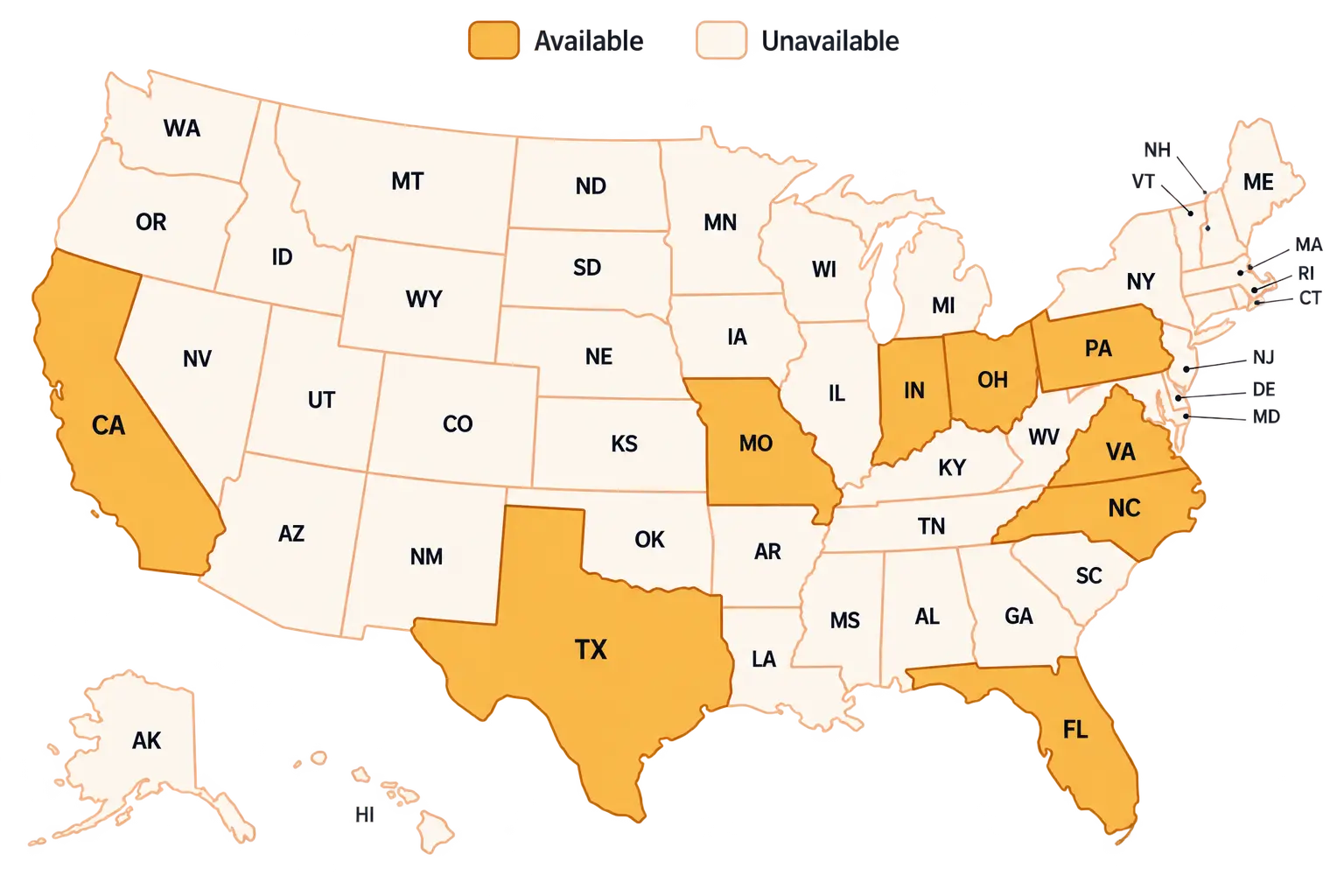
Where Is Online Testosterone Replacement Therapy Available?
SDKare offers online men’s health consultations in the following U.S. states:
Frequently Asked Questions
Online TRT allows you to receive a medical evaluation for testosterone deficiency through telehealth. Your provider reviews your symptoms, blood test results, and health risks before determining whether treatment is appropriate.
You generally need symptoms consistent with testosterone deficiency and two separate morning blood tests showing consistently low levels. Fatigue or reduced sex drive alone cannot confirm a diagnosis.
No. Laboratory testing is necessary to confirm testosterone deficiency before treatment. Your provider also needs baseline safety information to assess whether TRT is appropriate.
There is no single number that determines eligibility for everyone. A level below approximately 300 ng/dL is commonly used as a diagnostic reference, but your provider must also consider symptoms, repeat testing, laboratory ranges, and individual health factors.
Yes, when an appropriately authorized provider confirms treatment eligibility and the prescription complies with federal and state law. Additional testing or an in-person evaluation may be required.
Low testosterone may contribute to erection difficulties, particularly alongside reduced sexual desire. However, erectile dysfunction can also result from circulation problems, diabetes, and other health conditions.
TRT may improve certain symptoms of confirmed testosterone deficiency and increase lean body mass. Improvements in fatigue or physical performance are not guaranteed, especially when other health conditions contribute.
Yes. TRT can suppress sperm production and reduce fertility. If you want children now or in the future, discuss your plans before starting treatment.
Some symptoms may improve within weeks, while changes in body composition or bone density can take longer. Your response depends on your diagnosis, treatment, and overall health.
Yes. Ongoing testing helps monitor hormone levels, hematocrit, and other relevant safety markers. Your provider will recommend a testing schedule based on your treatment and health needs.
Yes. TRT may raise blood pressure, so monitoring is important, particularly if you have hypertension or other cardiovascular risk factors. Your provider will assess these concerns before and during treatment.
Not always. Treatment duration depends on the cause of testosterone deficiency, your response, and whether continued therapy is appropriate. Some underlying conditions require long-term management.
SDKare charges $199 for an initial consultation and $199 for a follow-up visit. Laboratory tests, prescription treatment, and pharmacy services may involve additional charges.
No. SDKare operates on a self-pay basis and does not bill insurance. You pay for individual appointments without mandatory memberships or automatically renewing subscriptions.