

 ChatGPT
 Perplexity
 Google AI
 Claude

What is health anxiety (and why does it matter?)
“Health anxiety” refers to the persistent worry about having or acquiring a serious illness, even when medical evidence suggests otherwise. It sits on a spectrum: from mild concerns (every “twinge” feels suspicious) to the level of a diagnosable condition such as Illness Anxiety Disorder. (PMC)
Some key facts:
- Estimates suggest a lifetime prevalence of health anxiety/hypochondriasis of around 5.7% in general populations. (BioMed Central)
- Among outpatients in medical clinics (neurology, respiratory, etc), health anxiety rates can be as high as ~20% or more. (PubMed)
- People with higher health anxiety have greater use of health services, more doctor visits, and greater disability. (PubMed)
Why it matters:
- Chronic worry about health wears down mental well-being (sleep, mood, concentration) and can increase physical stress.
- It pulls focus from living to monitoring, which reduces quality of life.
- Because of high prevalence and cost, it represents a meaningful public health issue. (PubMed)
In short, if your mental health is feeling strained and you’re constantly worrying about what could be wrong with your body, you’re dealing with a common, treatable issue.
How Anxiety Affects Your Health
Improving your mental health is much more than “feeling happiness”. It means building resilience, managing stress and worry, and reducing behaviours that feed the cycle of anxiety. Here’s how health‑anxiety interacts with overall mental health:
- Worry loop: A small symptom → you interpret it as serious → you check/research/monitor → anxiety increases → more symptoms (of stress) appear → you worry further.
- Avoidance or excessive checking: Either you avoid thinking about your body (so you may miss genuine health issues) or you constantly check and seek reassurance, both keep anxiety alive.
- Reduced self‑care: High worry distracts things like sleep, exercise, and social life, which are crucial for mental health.
- Sleep, mood, concentration: When your mind is frequently in “what if” mode, you’re likely to have poorer sleep, more irritability, and less focus, all of which cause and worsen anxiety. A study found that perceived stress significantly associated with higher health anxiety and lower quality of life. (BioMed Central)
So, tackling health anxiety means improving every part of your mental health, cognitive patterns, behavior, lifestyle, and emotional regulation.
Start your mental wellness journey with a virtual consultation today.
Practical steps to improve your mental health & reduce health anxiety
Here are actionable recommendations. They’re not “one size fits all,” but together they build a toolkit you can adapt to yourself.
1. Understand andmonitoryour thoughts
- Recognise the “what if” pattern. When you find your mind going “What if this symptom means…”, pause and label it as worry.
- Use a thought‑log: Write when you notice a body sensation, what you think (“This might mean…”), how anxious you feel, and what you do (googling, checking, calling someone). Over time, you’ll see patterns.
- Ask yourself: “What’s the evidence this is serious?” and “What’s the evidence it’s harmless?” This helps shift your interpretation.
- In clinical settings, simple CBT (cognitive behavioural therapy) techniques are shown to significantly reduce health anxiety. (Taylor & Francis Online)
2. Behavioural Adjustments: Reduce checking/reassurance Seeking & Avoidance
- Set limits on how often you check your body or symptoms (e.g., no more than once a day) or how often you search for health information.
- Similarly, avoid avoiding entirely (e.g., never go to the doctor when you should) → avoidance keeps the fear alive.
- Replace checking with an alternative behaviour: for instance, when you feel worried about a symptom, instead of searching, you might give yourself 10 minutes to reflect calmly, then resume your regular activity.
- A systematic review of interventions shows mindfulness, CBT, and patient education all help reduce health anxiety. (ResearchGate)
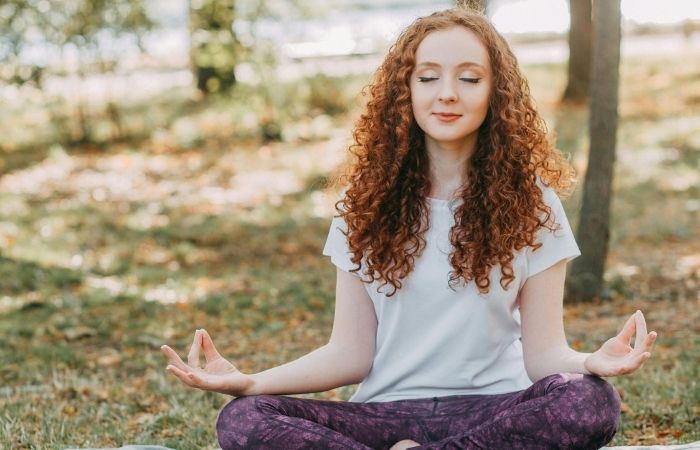
3. Lifestyle support for mental health
These are the bedrock. Good habits strengthen resilience and reduce the “fuel” for anxiety.
- Sleep: Aim for consistent sleep schedules, create a calming pre‑sleep routine, and remove screens before bed. Poor sleep increases anxiety sensitivity.
- Exercise: Moderate physical activity (e.g., walking, cycling) helps reduce general anxiety and can improve mood and cognitive control.
- Nutrition: A Balanced diet with regular meals helps stabilise energy and mood. Limit excessive caffeine or sugar, especially if you’re prone to anxiety.
- Relaxation & mindfulness practices: Techniques such as diaphragmatic breathing, progressive muscle relaxation, and guided imagery help reduce physiological arousal that often goes with health anxiety and stress. (Verywell Health)
- Social connection: Worry tends to isolate you (you may avoid discussing your fear). Make time to talk with trusted friends or family about things other than health—this helps distract and build emotional support.
- Scheduled worry time: Some providers suggest setting aside a fixed “worry window” (e.g., 20 minutes each day) to process health worries; outside that window, you defer worry to the next session. This contains worry rather than letting it run free.
4. Build resilience: change the relationship with uncertainty
Health anxiety largely comes from difficulty tolerating uncertainty (“I must know I’m safe”). So building tolerance helps.
- Practice accepting uncertainty: Remind yourself, “It’s impossible to know everything about my health; I’ll monitor sensibly and act if needed.”
- Use “If‑then” planning instead of “What if?” For example: “If I experience symptom X for more than 48 hours, then I’ll call my doctor” rather than “What if this symptom means Y?”.
- Engage in meaningful activities: Focus on goals, hobbies, and values rather than just health monitoring. When you live your values, your identity shifts away from being “the worrier”.
- Mindfulness meditation can help you observe anxious thoughts rather than being swept away by them.
5. When to seek professional help
There’s no shame in needing extra help; in fact, it’s a smart step.
Signs you may need professional support:
- Your anxiety about health is so frequent or intense that it disrupts your daily life (work, relationships, sleep).
- You’re relying heavily on doctor visits or frequent tests purely for reassurance.
- You’re avoiding the medical care you need because you’re fearful of what you’ll find.
- Self‑help strategies aren’t making a dent after a few months.
In such cases, a mental‑health professional can assess for disorders such as illness anxiety disorder, help you with structured therapy (CBT, metacognitive therapy), and coordinate with your medical care. (Cambridge University Press & Assessment)

Integrating it into your life with the telehealth advantage
Since your site, SDKare, offers telehealth, here’s how you can help patients integrate and benefit from this approach:
- Tele counselling: Offer sessions focused on health‑anxiety patterns (e.g., triggers, monitoring behaviours, excessive reassurance‑seeking).
- Remote monitoring & check‑ins: Use scheduled video/phone check‑ins to review their symptom‑log, thought‑log, and behaviour changes instead of leaving them alone.
- Digital self‑help modules: Provide psychoeducational content (videos/articles) on how to manage worry, lifestyle tips, sleep hygiene, etc.
- Push‑out reminders & micro‑tasks: Short remote prompts for relaxation, exercise, social connection.
- Peer‑support or group tele‑sessions: Sometimes, hearing others say “I worry about my health a lot too” reduces isolation and stigma.
- Integrated care: Because health anxiety sits at the interface of medical and mental health care, telehealth platforms can coordinate both sides (GP + mental‑health provider) to prevent redundant checking/tests and streamline care.
Key tips at a glance
| Area | What to do |
|---|---|
|
Thought monitoring |
Track symptom → thought → behaviour |
|
Behaviour change |
Limit checking, set “worry time”, engage in meaningful distraction |
|
Lifestyle support |
Good sleep, regular exercise, balanced diet, and social connection |
|
Uncertainty tolerance |
Practice acceptance, “if‑then” planning, mindfulness |
|
Professional support |
Seek help if anxiety interferes significantly or persists despite effort |
Final thoughts
Yes, improvement takes time; you won’t flip a switch and be worry‑free overnight. But the combination of understanding why you’re anxious about your health, changing the habits and thoughts that feed anxiety, and building a life that focuses on values (not just symptoms) will make a real difference.
With the right support, including telehealth options like SDKare you can move from being captive to worry, to being the author of your health and wellbeing. Take one small step today: whether that’s logging your thoughts, doing a five‑minute breathing exercise, or scheduling a tele‑session because every step counts.
FAQS
Health anxiety can be managed by practicing mindfulness, focusing on the present moment, limiting excessive health-related research, and seeking professional help if needed. Cognitive behavioral therapy (CBT) is often helpful.
Daily practices like regular exercise, a balanced diet, adequate sleep, and staying connected with friends and family can significantly improve your mental health. Additionally, practicing gratitude and relaxation techniques, like deep breathing or meditation, can be beneficial.
Yes, exercise is a powerful tool for reducing anxiety. Physical activity releases endorphins, which are natural mood elevators, and helps relieve stress. Even simple activities like walking or yoga can be very effective.
Quality sleep is essential for good mental health. Poor sleep can increase anxiety and stress, making it harder to manage emotions. Aim for 7-9 hours of sleep each night for optimal mental well-being.
To stop worrying about your health, it’s important to challenge negative thoughts, focus on what you can control, and avoid excessive health-related checking or research. Talking to a provider can help address underlying anxiety patterns.
Yes, talking to a trusted friend, family member, or provider can provide support, reduce stress, and offer new perspectives on your health concerns. Opening up helps alleviate feelings of isolation and anxiety.
Building resilience involves practicing stress management techniques, staying positive, developing a strong support system, and taking care of your physical health. Learning to accept uncertainty and focusing on what’s in your control also boosts resilience.
Start your mental wellness journey with a virtual consultation today.