
Get Online Anxiety Treatment and Professional Support
Get professional support for anxiety from the privacy of your home. Meet with a licensed SDKare provider online to discuss your symptoms, receive a clinical evaluation, and explore a personalized treatment plan based on your needs.

Licensed Providers
HIPAA-Compliant Sessions
Same-Day Appointments
Personalized Care
Anxiety Is the Most Common Mental Health Condition in the U.S.
About 1 in 5
Source:
U.S. adults have been told by a healthcare provider that they had an anxiety disorder at some point in their lives.
Being anxious doesn’t make you unusual. Persistent anxiety that interferes with your sleep, work, or relationships is worth talking to someone about.
What is Anxiety?
Feeling worried, nervous, or afraid from time to time is a normal part of life. Anxiety becomes more concerning when those feelings are persistent, difficult to control, or begin interfering with work, relationships, sleep, or everyday activities.
An anxiety disorder can affect how you think, feel, and respond to certain situations. With the right support, symptoms can be managed, and treatment can help you function more comfortably in daily life.
Signs and Symptoms of Anxiety
Anxiety can affect both your mind and body. Symptoms may be occasional or persistent and can vary from person to person. Common signs of anxiety include:
- Excessive or difficult-to-control worry
- Feeling nervous, restless, or on edge
- Racing thoughts or difficulty concentrating
- Irritability
- Trouble sleeping
- Muscle tension
- Fatigue
- Sweating, trembling, or feeling lightheaded
- Shortness of breath or a racing heartbeat
- Avoiding situations that trigger fear or worry
Anxiety may need professional attention when symptoms are persistent, difficult to manage, or begin interfering with work, relationships, sleep, or daily activities.
Anxiety Concerns We Can Evaluate Online
You do not need to know exactly what type of anxiety you have before seeking care. A licensed mental healthcare provider can evaluate your symptoms and recommend an appropriate next step.
01
Generalized Anxiety
Persistent and difficult-to-control worry about everyday areas of life, such as health, work, family, relationships, or finances.
02
Panic and Panic Attacks
Sudden episodes of intense fear that may include a racing heartbeat, trembling, dizziness, sweating, or difficulty breathing.
03
Social Anxiety
Strong fear or discomfort related to social situations, judgment, embarrassment, or interacting with others.
04
Phobia-Related Anxiety
Intense fear of a specific situation, activity, object, or environment that may lead to avoidance.
What to Expect During Your Online Anxiety Visit
Your appointment is designed to help your provider understand what you are experiencing and what type of care may be appropriate.
During Your Visit
Your provider may ask about:
- Your anxiety symptoms and triggers
- How long symptoms have been present
- Sleep and daily functioning
- Work, relationships, and social activities
- Previous mental health care
- Medical history
- Your treatment goals
After Your Visit
Your provider will discuss their assessment and recommend appropriate next steps, which may include therapy, medication management when clinically appropriate, behavioral strategies, follow-up care, or additional evaluation.
You do not need to know exactly how to describe your anxiety before your appointment. Your provider will guide the conversation.
Approaches to Online Anxiety Treatment
Your anxiety treatment plan depends on your symptoms, diagnosis, health history, preferences, and goals.
Psychotherapy
Therapy can help you recognize thought and behavior patterns that contribute to anxiety and practice new ways to respond. Cognitive behavioral therapy (CBT) is a widely studied approach for anxiety and may be available through telehealth.
Medication Management
A licensed provider will review your symptoms, medical history, current treatments, and potential risks. Based on that assessment, they may prescribe medication when clinically appropriate and discuss how to monitor its effects during follow-up visits.
Combined Treatment
Some people may benefit from combining therapy and medication management. Your care plan may also include skills you can practice between visits, with follow-up to review what’s helping and whether your treatment plan needs adjusting.
Lifestyle Support
Everyday habits can support your anxiety treatment plan. Your provider may suggest keeping a consistent sleep schedule, getting regular physical activity, reducing excessive caffeine, or practicing mindfulness and stress management techniques that fit your routine.
Why Choose SDKare for Anxiety Care
HIPAA-compliant online visits
Licensed and experienced healthcare providers
Personalized anxiety treatment plans
Secure, private video appointments
Same-day appointments when available
Ongoing follow-up and continuity of care
Convenient access from home
Care tailored to your symptoms and goals
Support across multiple U.S. states
Highly rated patient experience
World-Class Providers, Exceptional Care
Anxiety can show up in different ways, and knowing how to respond requires clinical judgment, not just a symptom checklist.
SDKare connects you with licensed healthcare providers experienced in mental health care who understand how anxiety can affect emotions, behavior, sleep, relationships, and everyday functioning.

How Online Anxiety Treatment Works
01
Book Your Visit
Choose an available online appointment with a licensed provider experienced in mental health care.
02
Talk Through Your Anxiety Symptoms
Discuss your worries, triggers, physical symptoms, sleep, daily functioning, and how anxiety is affecting your life.
03
Get a Personalized Anxiety Care Plan
Your provider will explain appropriate treatment options and recommend next steps based on your symptoms, history, and clinical needs.
How to Support Someone with Anxiety
You do not need to have all the answers to support someone experiencing anxiety. You can help by:
- Listening without judgment
- Asking what support they need
- Avoiding phrases that minimize their anxiety
- Being patient
- Encouraging professional care when symptoms interfere with daily life
- Offering practical help with finding or attending care
SAMHSA recommends listening without judgment, showing support, and helping someone connect with professional care rather than trying to force them into treatment.

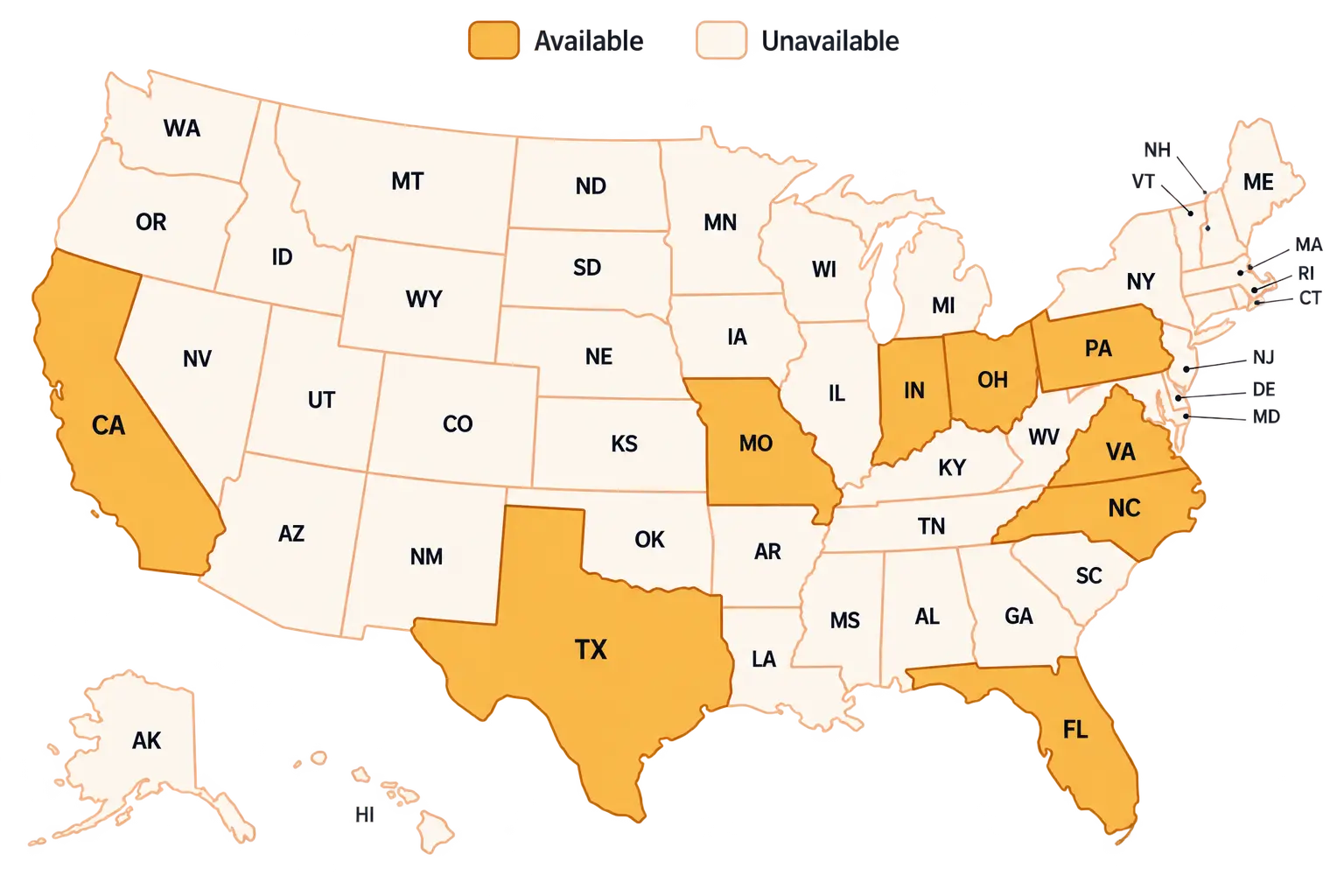
Online Anxiety Treatment in Your State
SDKare offers online mental health care for eligible adults in:
Online Anxiety Treatment Pricing
Your First Appointment
Initial Visit
$159 / Visit
- Review your symptoms and concerns
- Discuss relevant health history
- Receive a clinical evaluation
- Explore personalized treatment options
Continuing Your Care
Follow-Up Visit
$119 / Visit
- Review symptoms and progress
- Discuss treatment response
- Address concerns
- Adjust the care plan when appropriate
Online Anxiety Treatment FAQs
Yes. Many anxiety concerns can be evaluated and treated through telehealth. Online anxiety treatment may include a clinical assessment, psychotherapy, behavioral strategies, medication management when clinically appropriate, and follow-up care based on your individual needs.
Yes. A licensed provider can evaluate anxiety symptoms through a secure video visit by reviewing your symptoms, health history, how long symptoms have been present, and how they affect your daily life. Screening tools may support the evaluation, but they are not used alone to make a diagnosis.
Common anxiety symptoms include excessive worry, feeling nervous or on edge, racing thoughts, difficulty concentrating, irritability, trouble sleeping, muscle tension, fatigue, trembling, sweating, dizziness, and shortness of breath. Symptoms can vary between individuals.
Consider seeking anxiety treatment if worry or fear is difficult to control, continues over time, causes significant distress, or interferes with sleep, work, relationships, social activities, or everyday responsibilities.
Anxiety treatment may include psychotherapy, behavioral strategies, lifestyle support, medication management when clinically appropriate, or a combination of approaches. Your provider will recommend a treatment plan based on your symptoms, health history, preferences, and clinical needs.
Online anxiety care may include psychotherapy depending on the provider and your treatment needs. Evidence-based approaches such as cognitive behavioral therapy can help people understand patterns that contribute to anxiety and develop strategies for managing symptoms.
The GAD-7 is a short, 7-question screening tool used to measure the severity of anxiety symptoms over the past two weeks. It can help identify possible generalized anxiety and track changes in symptoms over time. A GAD-7 score can support a clinical evaluation, but it does not diagnose an anxiety disorder on its own.
A licensed provider may consider medication as part of online anxiety treatment when it is clinically appropriate and permitted under applicable laws and prescribing requirements. A prescription is not guaranteed and depends on your individual evaluation.
Yes. SDKare offers self-pay online mental health appointments, so insurance is not required to schedule an anxiety evaluation or follow-up visit.
Yes. SDKare offers same-day online anxiety appointments with licensed providers. Appointment times may vary by state and provider availability, so you can check current openings when scheduling your visit.