
Get ADHD Treatment Online with Medication Management
Get evaluated for adult ADHD from home through a secure video visit with a licensed provider. Your appointment looks at your symptoms, history, and how they affect everyday life, so you can get clear answers and an appropriate next step.

Licensed Providers
HIPAA-Compliant Visits
Same-Day Appointments
24 / 7 Availability
55.9%
First diagnosed at age 18 or older.
ADHD begins in childhood, but it is not always recognized until adult responsibilities make difficulties with attention, organization, time management, or follow-through harder to compensate for.
What Does ADHD Look Like in Adults?
Adult ADHD is not always obvious hyperactivity. It can show up as repeated difficulty managing attention, time, organization, impulses, and everyday responsibilities.
At Work or School
- Putting off important tasks
- Starting projects but not finishing them
- Losing track of deadlines
- Missing details
- Struggling with repetitive or demanding work
- Hyperfocusing while other priorities wait
At Home
- Bills, forms, or emails piling up
- Frequently losing keys, phones, or documents
- Difficulty maintaining routines
- Running late despite trying not to
- Forgetting appointments without reminders
Internally
- Feeling mentally restless
- Difficulty switching away from something engaging
- Feeling overwhelmed by ordinary tasks
- Knowing what needs to be done but struggling to start
- Relying on urgency to get things finished
These experiences can also occur with anxiety, depression, sleep problems, chronic stress, substance use, or medical conditions. That is why ADHD requires a clinical evaluation rather than symptoms alone.
What Are the Three Types of ADHD?
ADHD symptoms can appear in three recognized patterns, called types of ADHD.
01
Predominantly Inattentive Presentation
Difficulty maintaining attention, organizing tasks, remembering responsibilities, following through, tracking details, or resisting distractions.
02
Predominantly Hyperactive-Impulsive Presentation
Restlessness, impatience, interrupting, excessive talking, difficulty waiting, or acting before fully thinking something through.
03
Combined Presentation
Clinically significant symptoms of both inattention and hyperactivity-impulsivity.
Your ADHD is determined through clinical evaluation, not by choosing the description that sounds most familiar.
Take the Online ADHD Self-Assessment
Not sure whether your symptoms are worth discussing with a provider?
SDKare’s ADHD self-assessment can help you look at patterns involving attention, organization, impulsivity, and daily functioning. The assessment cannot diagnose ADHD, but it can help you decide whether a full ADHD evaluation may be appropriate.
55.9%
In 2023, 55.9% of U.S. adults with current ADHD reported first being diagnosed at age 18 or older.
Why Can ADHD Go Undiagnosed Until Adulthood?
Some people reach adulthood without recognizing ADHD because their symptoms were less disruptive, they had strong external structure, or they developed ways to compensate.
As adult life brings more responsibility for schedules, work, finances, relationships, and independent organization, those strategies may stop being enough. Receiving an ADHD diagnosis in adulthood is common.
How Is ADHD Diagnosed Online?
An online ADHD diagnosis is based on a clinical evaluation, not a single questionnaire. Your provider reviews:
- Current ADHD symptoms
- Symptoms that were present before age 12
- How symptoms affect work, school, relationships, or daily responsibilities
- Whether symptoms occur in more than one setting
- Medical and mental health history
- Other possible causes, such as anxiety, depression, sleep problems, or substance use
- ADHD rating scales when appropriate
A licensed provider uses this information to determine whether you meet diagnostic criteria for ADHD and what treatment may be appropriate.
What Happens During an Online ADHD Evaluation?
During your online ADHD evaluation, your provider will ask about your current symptoms, childhood history, daily functioning, medical and mental health history, sleep, medications, and previous ADHD treatment.
They may also use standardized ADHD rating scales to support the evaluation. Your provider then determines whether your symptoms are consistent with ADHD, another condition, or a combination of concerns and discusses the appropriate next step. Booking an evaluation does not automatically mean you will receive an ADHD diagnosis.

What Can Your ADHD Treatment Plan Include?
ADHD treatment is not limited to medication. Your treatment plan is based on your symptoms, daily challenges, health history, goals, and any other conditions affecting your functioning.
ADHD Medication
Stimulant or non-stimulant medication may be considered when clinically appropriate.
Skills and Behavioral Strategies
Your care plan may include practical approaches for organization, planning, time management, routines, task initiation, and follow-through.
Therapy or Counseling
Therapy can help address emotional regulation, coping patterns, self-esteem, stress, or behaviors that make ADHD symptoms harder to manage.
Care for Co-Occurring Conditions
ADHD can occur alongside concerns such as anxiety, depression, sleep problems, or substance use. These may need to be addressed as part of your overall treatment plan.
Ongoing Medication Management
If medication is part of your care, follow-up visits allow your provider to review benefits, side effects, symptom changes, and whether treatment adjustments are appropriate.
Your ADHD treatment plan may include one approach or a combination based on your needs.
How Can You Manage ADHD in Daily Life?
Small changes can support your treatment plan and make daily tasks easier to manage.
- Use reminders, calendars, and task lists
- Break large tasks into smaller steps
- Keep important items in consistent places
- Create simple routines for work, sleep, and daily responsibilities
- Reduce distractions when you need to focus
- Build regular movement or exercise into your week
- Prioritize consistent sleep
- Use timers or time-blocking for tasks
- Ask for workplace or school accommodations when appropriate
These strategies do not replace ADHD treatment, but they can support organization, focus, and follow-through alongside professional care.
Can ADHD Medication Be Prescribed Online?
Yes. SDKare’s licensed, DEA-registered providers may prescribe stimulant or non-stimulant ADHD medication online when it is clinically appropriate and permitted by applicable federal and state rules.
Medication is not guaranteed
Your provider will recommend treatment based on your ADHD evaluation, medical history, and individual needs.
Why Choose SDKare for Online ADHD Treatment?
Licensed ADHD providers
Real video ADHD evaluations
HIPAA-compliant secure sessions
Stimulant and non-stimulant treatment options
Ongoing ADHD medication management
Support for co-occurring mental health concerns
Same-day ADHD appointments
Self-pay, no insurance required
ADHD Care with Licensed Providers
SDKare provides online ADHD evaluation, treatment planning, and follow-up care with licensed providers, including DEA-registered providers when controlled medication is clinically appropriate.
If you have already been diagnosed or treated for ADHD, bring any available records, your current medication and dose, previous treatments, and information about benefits or side effects. Your provider can review your history and determine whether continuing, adjusting, or changing your treatment is appropriate.

How Much Does Online ADHD Treatment Cost?
SDKare offers straightforward self-pay pricing for adult ADHD care.
Your First Appointment
Initial Visit
$159 / Visit
- 30 minutes
- Adult ADHD evaluation
- Review of symptoms and relevant history
- Personalized ADHD treatment plan
- Prescription treatment when clinically appropriate
Continuing Your Care
Follow-Up Visit
$119 / Visit
- 15 minutes
- Symptom and progress review
- ADHD medication management when applicable
- Treatment adjustments when appropriate
- Ongoing care planning
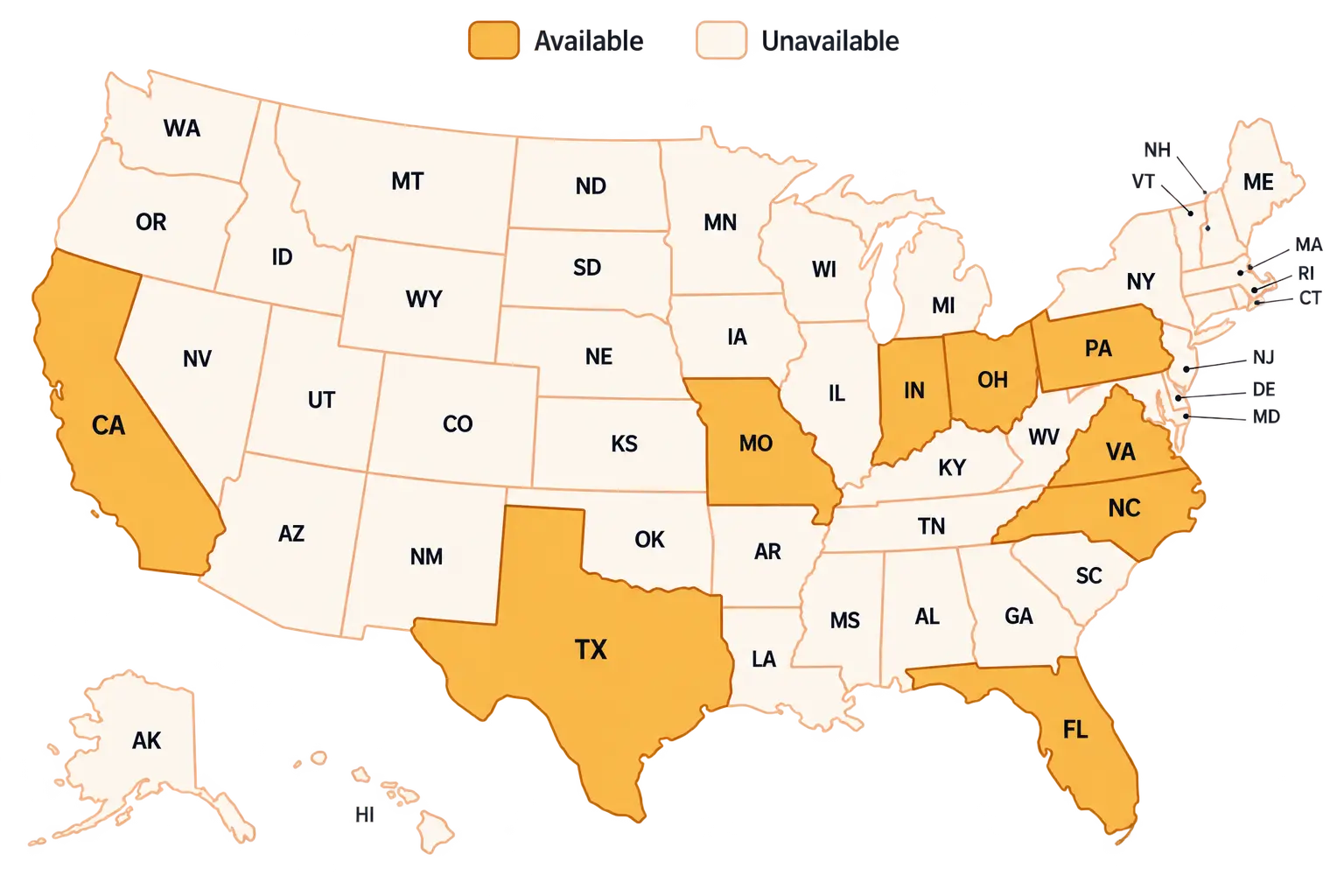
Where Is Online ADHD Treatment Available?
SDKare offers online ADHD treatment in multiple U.S. states including:
Online ADHD Treatment FAQs
Yes. A licensed provider can diagnose ADHD through telehealth when they can complete an appropriate clinical evaluation, review your history, assess how symptoms affect your life, and consider other possible causes.
No. You do not need a childhood ADHD diagnosis. Your provider will ask about symptoms before age 12 and may use school history, family observations, or old records when available.
Yes, when clinically appropriate and legally permitted. A licensed, DEA-registered provider must evaluate you before determining whether stimulant medication is appropriate.
Yes, qualifying DEA-registered providers may prescribe controlled medications through telehealth when federal and state requirements are met. Current federal telemedicine flexibilities extend through December 31, 2026.
ADHD treatment may include behavioral strategies, therapy, organizational and time-management skills, workplace or school accommodations, and treatment for co-occurring conditions.
You can still book an ADHD evaluation. Bring available records, your current medication and dose, previous treatments, and information about benefits or side effects so your provider can review your history.
Your provider will explain what they found and recommend appropriate next steps. Anxiety, depression, sleep problems, stress, substance use, and some medical conditions can also affect attention and concentration.
Yes. SDKare offers online ADHD treatment without insurance through self-pay visits. No insurance referral or prior authorization is required.
Yes. SDKare offers same-day ADHD appointments, subject to provider availability in your state.
SDKare's initial ADHD evaluation is scheduled for 30 minutes. Follow-up ADHD visits are scheduled for 15 minutes.
Follow-up frequency depends on your treatment plan, response to treatment, medication needs, and applicable prescribing requirements. Your provider will recommend an appropriate schedule.
No. An ADHD evaluation does not guarantee a diagnosis, prescription, stimulant medication, or any specific treatment. Your provider recommends care based on your clinical evaluation.