
Online Tirzepatide + Glycine Weight Loss Treatment
Explore personalized weight loss treatment with SDKare. Consult a licensed healthcare provider online, learn about tirzepatide + glycine, and find out which prescription weight management options may be appropriate for your health needs.

Licensed Healthcare Providers
HIPAA-Compliant Care
Safe & Secure Online Consultations
Convenient Home Delivery
What Is Tirzepatide + Glycine for Weight Loss?
Tirzepatide + glycine is a compounded formulation containing tirzepatide, a medication that targets two hormone pathways involved in hunger and blood sugar regulation, and glycine, an amino acid naturally found in the human body.
Tirzepatide activates GIP and GLP-1 receptors, helping reduce appetite, promote fullness, and support weight management. Glycine contributes to normal protein synthesis, antioxidant production, and other metabolic functions.
In some pharmaceutical preparations, glycine may also serve a formulation-related purpose. Its specific role in an injectable tirzepatide preparation depends on the dispensing pharmacy’s formulation.
Important: Compounded tirzepatide + glycine is not FDA-approved. Any prescription must be supported by an individualized medical need and comply with applicable compounding regulations.
What Are the Potential Benefits of Tirzepatide + Glycine?
The clinically established weight management benefits associated with this treatment approach come from tirzepatide. Glycine has important biological functions, but its additional benefits when combined with tirzepatide have not been established.
01
Helps Reduce Hunger
Tirzepatide influences appetite-regulating pathways that may help patients manage persistent hunger and frequent food cravings.
02
Promotes Feelings of Fullness
By affecting satiety signals and slowing gastric emptying, tirzepatide may help patients feel satisfied with smaller meals.
03
Supports Blood Sugar Regulation
Tirzepatide increases glucose-dependent insulin secretion and helps reduce excess glucagon release, supporting blood glucose management.
04
Supports Meaningful Weight Reduction
Clinical trials of FDA-approved tirzepatide have demonstrated substantial weight loss in eligible adults when combined with appropriate nutrition and physical activity.
05
Fits a Once-Weekly Treatment Schedule
FDA-approved injectable tirzepatide is administered once weekly, offering a convenient dosing schedule for patients who are appropriate candidates.
What Is the Role of Glycine in Tirzepatide Formulations?
Glycine is a nonessential amino acid produced naturally by the body and obtained through foods such as meat, fish, dairy, and legumes. It contributes to several normal physiological processes.
Protein Production
Glycine is an essential building block of collagen and other proteins.
Antioxidant Synthesis
It is involved in producing glutathione, which helps protect cells from oxidative damage.
Normal Metabolic Processes
Glycine participates in amino acid metabolism and other cellular reactions.
Nervous System Function
It acts as a neurotransmitter involved in normal nervous system signaling.
Glycine may also be used as a pharmaceutical excipient in certain preparations to support formulation properties such as stability or buffering. Its exact function in any tirzepatide + glycine injection must be confirmed by the dispensing pharmacy.
Although researchers continue to investigate glycine’s metabolic effects, there is insufficient clinical evidence that adding it to tirzepatide improves weight loss, blood sugar outcomes, or medication tolerability.
How Does Tirzepatide Work for Weight Loss?
Tirzepatide activates two hormone receptors called GIP and GLP-1. These pathways help regulate appetite, insulin secretion, and how the body responds to food.
Appetite Regulation
Influences signals that control hunger and food intake.
Satiety
Helps increase feelings of fullness after meals.
Gastric Emptying
Slows the movement of food from the stomach, particularly early in treatment.
Glucose Regulation
Supports insulin release in response to elevated blood glucose.
Weight Management
Reduced calorie consumption can contribute to gradual weight reduction.
Tirzepatide is not a substitute for nutrition, physical activity, or continued medical care. It works as part of a broader weight management approach.
Who May Qualify for Tirzepatide Weight Loss Treatment?
Prescription tirzepatide for chronic weight management is generally considered for adults meeting established BMI and health criteria.
You may qualify for treatment evaluation if you have:
BMI of 30 or Higher
Adults living with obesity.
BMI of 27 or Higher With a Related Condition
Such as hypertension, high cholesterol, or obstructive sleep apnea.
Persistent Weight Management Challenges
Difficulty achieving or maintaining weight loss with lifestyle changes alone.
A Need for Medical Weight Management
When a healthcare provider determines prescription treatment may be appropriate.
Who Should Not Use Tirzepatide?
Tirzepatide should not be used by patients with a personal or family history of medullary thyroid carcinoma (MTC), Multiple Endocrine Neoplasia syndrome type 2 (MEN2), or a serious allergic reaction to tirzepatide.
Treatment should be avoided during pregnancy. People with severe gastrointestinal disease or other significant medical conditions may need alternative treatment.
A licensed provider must assess eligibility, existing medications, medical risks, and the need for any compounded formulation before prescribing.
How Does SDKare's Online Tirzepatide Weight Loss Treatment Work?
SDKare helps eligible patients explore prescription weight management options through a straightforward online care process.
01
Complete Your Online Assessment
Share your medical history, current medications, weight management concerns, and treatment goals through a secure online health questionnaire.
02
Consult a Licensed Provider
Meet with a healthcare provider who reviews your health information, discusses treatment options, and determines your medical eligibility.
03
Receive Your Personalized Treatment Plan
Your provider recommends an appropriate treatment approach, including medication options, administration guidance, and follow-up needs.
04
Arrange Medication Delivery
If prescribed and legally available, medication may be dispensed by an appropriate pharmacy and delivered to your home according to pharmacy and state requirements.
05
Continue Follow-Up Care
Review your progress with your provider, discuss side effects, and receive treatment adjustments when medically appropriate.
How Soon Can You See Weight Loss Results with Tirzepatide?
Weight loss with tirzepatide typically develops gradually. Some patients notice changes in appetite within the first few weeks, while measurable weight reduction often progresses over several months.
Treatment response varies depending on dosage, lifestyle habits, medical history, and individual tolerance. Providers generally start FDA-approved injectable tirzepatide at a lower dose and increase it gradually according to the approved dosing schedule and clinical response.
Instead of focusing on immediate weight changes, ongoing evaluations help determine whether treatment is supporting meaningful and sustainable progress.
How to Use Tirzepatide Injections Safely
FDA-approved tirzepatide injections are administered once weekly under the skin of the abdomen, thigh, or upper arm.
Patients should follow their provider’s instructions for:
- Correct injection technique and prescribed dosage.
- Rotating injection sites.
- Proper medication storage.
- Following weekly administration schedules.
- Managing missed doses.
- Recognizing potential side effects.
If an individually compounded medication is prescribed, concentration and administration instructions may differ from approved products. Follow the exact instructions supplied by the prescriber and dispensing pharmacy.
Never adjust the prescribed dosage independently.
What Are the Side Effects of Tirzepatide + Glycine?
The known safety information primarily comes from clinical studies and prescribing information for FDA-approved tirzepatide. The combined compounded formulation has not been evaluated in equivalent clinical trials.
Common Tirzepatide Side Effects:
- Nausea
- Diarrhea
- Vomiting
- Constipation
- Abdominal discomfort
- Indigestion
- Decreased appetite
- Injection site reactions
Never adjust the prescribed dosage independently.

Serious Risks and Precautions of Tirzepatide + Glycine
Tirzepatide carries a boxed warning for thyroid C-cell tumors observed in rodents. Whether this risk applies to humans is unknown. Patients with a personal or family history of MTC or MEN2 must not use tirzepatide.
Other important risks include pancreatitis, gallbladder disease, severe gastrointestinal reactions, serious allergic reactions, kidney injury associated with dehydration, and hypoglycemia, particularly when used with insulin or certain diabetes medications.
Tirzepatide may also reduce the effectiveness of oral hormonal contraceptives. Patients should discuss contraception options with their provider, including additional or alternative contraception for four weeks after starting treatment and after each dose increase.
Inform your provider about kidney disease, previous pancreatitis, gastroparesis, pregnancy plans, and upcoming procedures requiring anesthesia or deep sedation.
Seek urgent medical attention for severe abdominal pain, symptoms of a serious allergic reaction, or other severe reactions. Persistent vomiting or diarrhea also requires prompt medical assessment.
Compounded Tirzepatide + Glycine vs. FDA-Approved Tirzepatide
Both treatment categories contain tirzepatide, but their formulations, available clinical evidence, and regulatory status differ.
| Feature | FDA-Approved Tirzepatide | Compounded Tirzepatide + Glycine |
|---|---|---|
|
Contains tirzepatide |
Yes |
Yes |
|
Contains added glycine |
No |
Yes |
|
FDA-approved formulation |
Yes |
No |
|
Large clinical weight loss trials |
Available |
No equivalent combination trials |
|
Glycine function |
Not applicable |
Formulation-specific |
|
Prescription required |
Yes |
Yes |
|
Availability |
Based on approved prescribing |
Subject to individualized need and applicable compounding law |
Compounding is intended to address specific patient needs that cannot be met by an available approved medication. The presence of glycine alone does not establish a medical necessity for compounding.

How Much Does Online Tirzepatide + Glycine Treatment Cost?
SDKare offers self-pay online medical weight loss consultations. Treatment costs can vary depending on the prescribed medication, dosage, dispensing pharmacy, and follow-up requirements.
Tirzepatide + Glycine Pricing
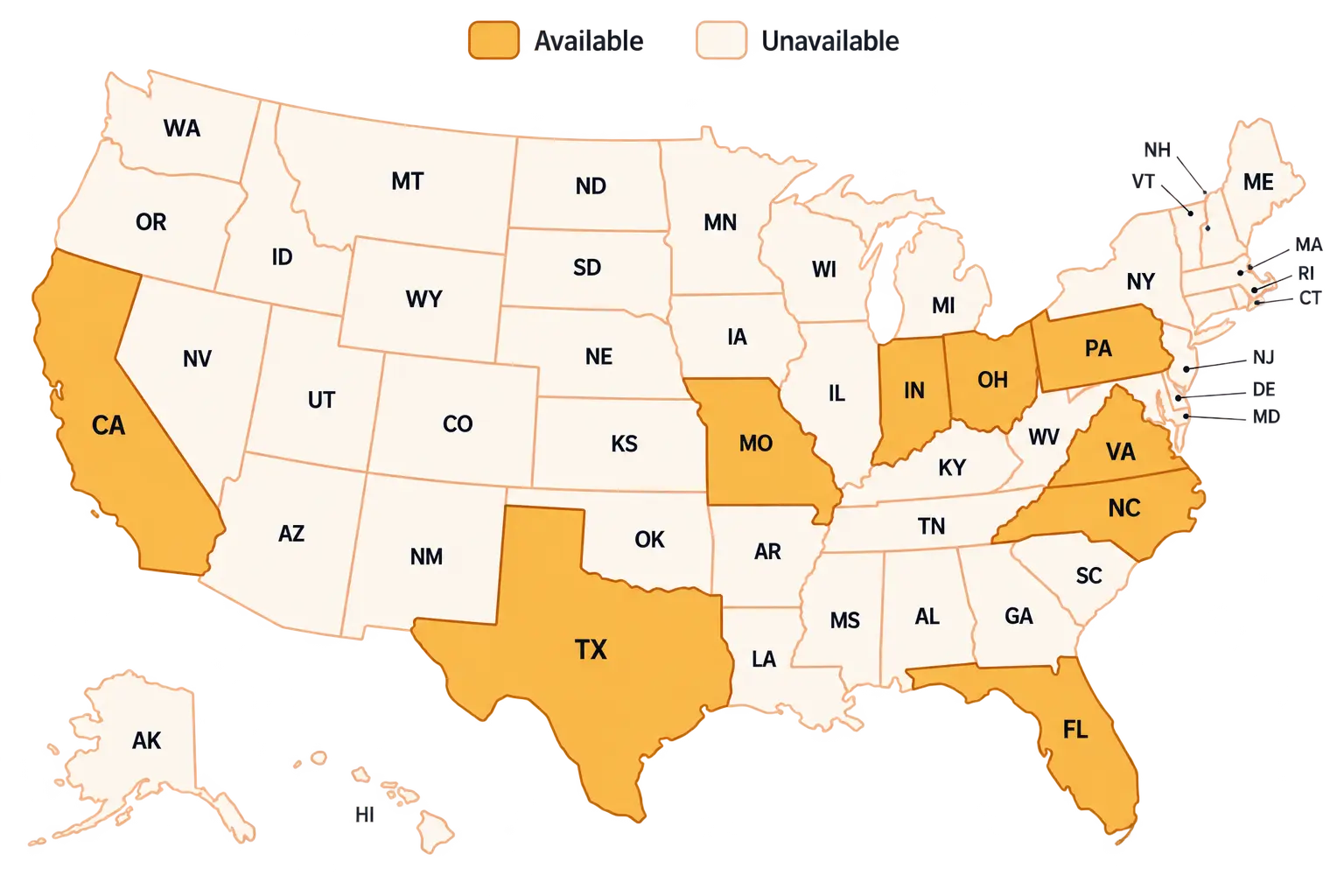
Where Are SDKare's Online Weight Loss Services Available?
SDKare provides telehealth weight management consultations in eligible U.S. states, subject to provider licensing and service availability.
Why Choose SDKare for Online Medical Weight Loss Care?
Licensed Healthcare Providers
Comprehensive Medical & BMI Assessment
Detailed Medical History & Medication Review
Personalized Weight Loss Treatment Plans
Medication Delivery Within 2 to 3 Days
100% Online Consultations & Follow-Ups
Ongoing Progress Monitoring & Dose Adjustments
Thorough Safety & Eligibility Screening
HIPAA-Compliant, Safe & Secure Care
Transparent Pricing with No Membership Fees
Frequently Asked Questions
Tirzepatide + glycine is a compounded formulation that may be considered when a provider identifies a specific patient need that an available approved treatment cannot meet. Tirzepatide affects GIP and GLP-1 pathways involved in appetite and glucose regulation. Glycine is an amino acid whose role in the formulation depends on the pharmacy's preparation.
Tirzepatide may help reduce hunger, increase fullness, regulate blood sugar, and support weight reduction. Glycine participates in normal physiological processes, but additional clinical weight loss benefits from combining it with tirzepatide have not been established.
No clinical studies have established that adding glycine increases tirzepatide's weight loss effectiveness or reduces side effects. Glycine may have a pharmaceutical formulation role, but that purpose must be confirmed by the dispensing pharmacy.
A licensed healthcare provider can assess your suitability for weight management medication through telehealth where permitted. A compounded formulation may only be prescribed and dispensed when an individual medical need and applicable legal requirements are satisfied. A consultation does not guarantee a prescription.
Some patients experience appetite changes within the first weeks. Weight reduction generally develops over several months, with results influenced by dose, treatment response, lifestyle, and individual health factors.
Patients with kidney disease need individualized medical assessment. Tirzepatide-related vomiting or diarrhea can cause dehydration and worsen kidney function. Patients should also discuss supplements or added ingredients with their healthcare provider.
FDA-approved tirzepatide has been evaluated in large clinical trials for specified medical indications. Tirzepatide + glycine contains an added amino acid and is a compounded formulation without equivalent clinical trial evidence. Its availability is subject to medical and regulatory requirements.
FDA-approved injectable tirzepatide is administered once weekly. Patients prescribed an individualized compounded preparation should follow their provider's specific dosing and administration instructions.
Yes, tirzepatide affects biological signals that regulate appetite and satiety. Some patients experience reduced hunger and fewer food-related urges during treatment, although responses vary.
Tirzepatide is approved in specific formulations for type 2 diabetes management and chronic weight management. Patients with diabetes require individualized evaluation, particularly if they use insulin or sulfonylureas that can increase the risk of hypoglycemia.
Common side effects include nausea, diarrhea, vomiting, constipation, indigestion, and abdominal discomfort. Patients should contact their provider about persistent symptoms and seek immediate attention for severe reactions.
SDKare offers online consultations and follow-ups. Most routine interactions may take place through telehealth, although additional examination or testing may be necessary depending on individual medical circumstances and state requirements.
No. SDKare is a self-pay telehealth service. Consultation, prescription medication, and follow-up costs should be reviewed before starting treatment.