
Get Online Insomnia Treatment with SDKare
Struggling to fall asleep, stay asleep, or wake up feeling rested? Get online insomnia treatment from licensed SDKare providers who can evaluate your sleep concerns and help you find an appropriate path forward.

Licensed Providers
HIPAA-Compliant Visits
Same-Day Appointments
Personalized Care
Sleep problems are common among U.S. adults
1 in 6
Trouble falling asleep
1 in 5
Trouble staying asleep
Sleep difficulty does not automatically mean you have insomnia, but persistent problems that affect daytime functioning may warrant a professional evaluation.
Source: CDC
What is Insomnia?
Insomnia is a sleep disorder that makes it difficult to fall asleep, stay asleep, or return to sleep after waking, even when you have enough opportunity to rest.
When poor sleep becomes persistent, it can affect your energy, concentration, mood, and ability to function during the day.
Chronic insomnia generally involves sleep difficulties at least three nights per week for three months or longer, together with daytime impairment.
Signs and Symptoms of Insomnia
Insomnia affects more than your nights. Common symptoms include:
- Difficulty falling asleep
- Frequent nighttime awakenings
- Waking earlier than intended
- Difficulty falling back asleep
- Feeling unrefreshed after sleep
- Daytime fatigue or low energy
- Difficulty concentrating or remembering
- Irritability or mood changes
- Worry or frustration about sleep
- Reduced performance at work or school
Persistent sleep problems that interfere with daily functioning deserve attention.
What Can Cause Insomnia?
Insomnia does not always have one clear cause. Sleep difficulties can develop or worsen because of:
- Stress or major life changes
- Anxiety or depression
- Irregular sleep schedules
- Shift work or frequent schedule changes
- Chronic pain or medical conditions
- Certain medications
- Caffeine, alcohol, nicotine, or other substances
- Unhelpful sleep habits
- Other sleep disorders
Identifying what may be contributing to your sleep difficulty is an important part of choosing the right treatment approach.

What to Expect During an Online Insomnia Visit
Your provider will ask about your sleep difficulties, how they affect your day, and what may be contributing to them.
During Your Sleep Evaluation
Your provider may discuss:
- Your usual bedtime, wake time, and sleep habits
- How long it takes to fall asleep and how often you wake up
- Daytime tiredness and its effect on your routine
- Stress, anxiety, or changes in your mood
- Your medical and mental health history
- Sleep treatments you’ve tried and whether they helped
After Your Evaluation
Your provider will explain what they learned about your sleep and work with you to plan next steps. You’ll discuss:
- Which insomnia treatment options fit your symptoms and goals
- What changes you can start making to your sleep routine
- Whether you need further assessment for another sleep or health concern
- What to track between visits, such as nighttime awakenings or daytime tiredness
- When to follow up and review how your sleep is changing
Treatment Approaches for Insomnia
The right treatment depends on how long you have experienced insomnia, possible contributing factors, your health history, and your individual needs.
Cognitive behavioral therapy for insomnia
Cognitive behavioral therapy for insomnia, or CBT-I, is recommended as a first-line treatment for chronic insomnia. It may include cognitive strategies, stimulus control, relaxation techniques, sleep scheduling, and sleep education.
Behavioral sleep strategies
Your treatment may include strategies designed to strengthen healthy sleep patterns, such as maintaining a consistent sleep-wake schedule, using the bed primarily for sleep, and practicing relaxation techniques.
Medication management
Medication may be considered for some patients when clinically appropriate. Your provider can determine whether medication should be part of your care based on your symptoms, health history, current treatments, potential risks, and individual needs.
Addressing related conditions
Sleep difficulties can occur alongside anxiety, depression, chronic pain, and other health concerns. When another condition may be contributing to poor sleep, addressing that condition may become part of the overall care plan.
Experienced Providers for Insomnia Care
When sleepless nights start affecting your days, getting the right support matters.
SDKare connects you with licensed providers experienced in insomnia and related sleep concerns. They can help you understand persistent trouble falling asleep, staying asleep, or waking too early, then guide you toward an appropriate treatment approach based on your individual needs.

Why Choose SDKare for Online Insomnia Care?
HIPAA-compliant online appointments
Licensed and experienced providers
Same-day appointments
Personalized insomnia care
Secure video visits
Evidence-based treatment approaches
Ongoing follow-up support
Convenient care from home
Self-pay appointments without insurance required
How SDKare Treats Insomnia Online
01
Start with your sleep pattern
Book a same-day or upcoming visit and share what your nights actually look like, including trouble falling asleep, frequent waking, early waking, or unrefreshing sleep.
02
Understand what may be driving your insomnia
Your provider looks at your sleep schedule, daytime fatigue, stress, mood, routines, and other factors that may be keeping the sleep problem going.
03
Build a plan for better sleep
Based on your evaluation, your provider will recommend an appropriate approach, which may include CBT-I strategies, behavioral changes, treatment of related concerns, medication management when appropriate, and follow-up care.
When Should You Seek Help for Insomnia?
An occasional bad night does not necessarily mean you have insomnia. Consider speaking with a healthcare provider when:
- You regularly struggle to fall or stay asleep
- Sleep problems continue for weeks or months
- Poor sleep affects work, school, or daily responsibilities
- You feel tired despite having enough opportunity to sleep
- Worry about sleep is becoming part of the problem
- Your sleep difficulties are affecting your mood or quality of life
Getting evaluated can help determine whether insomnia or another condition may be contributing to your sleep problems.
How to Support Someone Struggling with Insomnia
Insomnia can leave someone exhausted, frustrated, and worried about another sleepless night. Support can help without adding pressure. You can:
- Listen without minimizing their sleep difficulties
- Avoid telling them to simply “try harder” to sleep
- Support consistent sleep routines
- Avoid encouraging unproven sleep remedies
- Encourage professional care when poor sleep persists
- Be patient while treatment takes time to work
If insomnia is repeatedly affecting someone’s daytime functioning or quality of life, encourage them to discuss their symptoms with a healthcare provider.
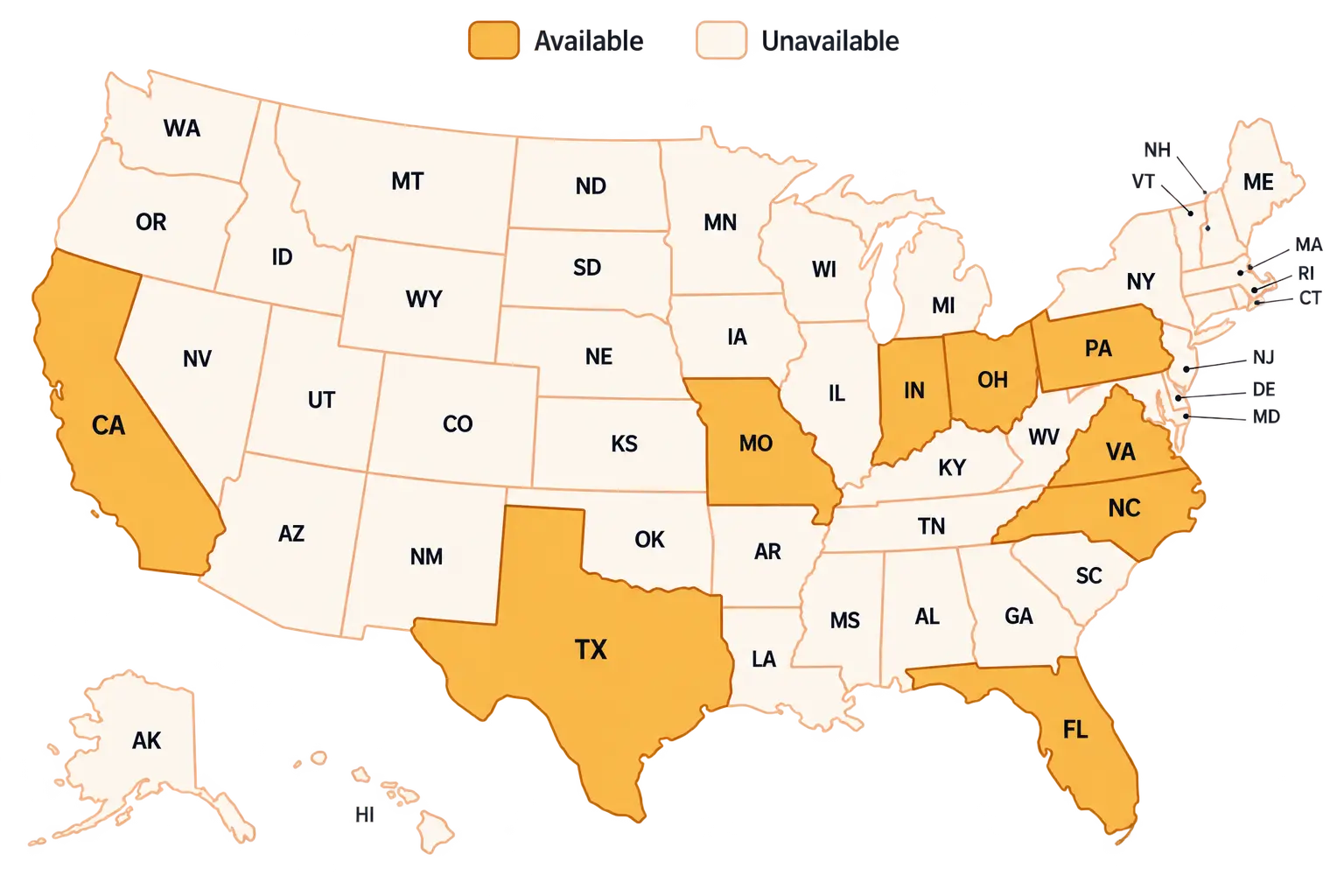
Online Insomnia Treatment Near You
SDKare provides online care for eligible adults in:
Transparent Pricing for Insomnia Treatment
Your First Appointment
Initial Visit
$159 / Visit
- Discuss your sleep concerns
- Review relevant health and sleep history
- Receive a clinical evaluation
- Explore appropriate treatment options
Continuing Your Care
Follow-Up Visit
$119 / Visit
- Review changes in your sleep
- Discuss treatment progress
- Address ongoing concerns
- Adjust your care plan when appropriate
Online Insomnia Treatment FAQs
Yes. Many people can receive online insomnia treatment through telehealth. Depending on your needs, treatment may include CBT-I, behavioral sleep strategies, treatment of related conditions, medication management when clinically appropriate, and follow-up care.
Insomnia involves persistent difficulty falling asleep, staying asleep, or returning to sleep after waking despite having enough opportunity to sleep. It also causes daytime problems such as fatigue, poor concentration, mood changes, or difficulty functioning.
Chronic insomnia generally means experiencing sleep difficulties at least three nights per week for three months or longer, together with daytime impairment.
Yes. Many cases of insomnia can be evaluated through telehealth. A licensed provider may review your sleep patterns, symptoms, health history, daytime functioning, and factors that could be contributing to poor sleep.
CBT-I stands for cognitive behavioral therapy for insomnia. It is a structured treatment that addresses thoughts and behaviors that contribute to ongoing sleep problems. It is recommended as a first-line treatment for chronic insomnia.
Yes. CBT-I can be provided virtually. NHLBI notes that it may be delivered in person, over the telephone, or online.
Your provider may ask about your bedtime and wake time, difficulty falling or staying asleep, nighttime awakenings, daytime fatigue, sleep habits, health history, mental health, and previous treatments before recommending appropriate next steps.
Not usually. Insomnia can often be evaluated from your symptoms and sleep history. A provider may recommend additional testing if symptoms suggest another sleep disorder or medical condition.
A licensed provider may consider prescription treatment when clinically appropriate and permitted under applicable prescribing requirements. Whether medication is appropriate depends on your individual evaluation, health history, potential risks, and treatment needs.
Yes. SDKare offers same-day online insomnia appointments with licensed providers. Available appointment times may vary by state and provider availability.
Yes. SDKare offers self-pay online insomnia care, so insurance is not required to schedule an appointment.
Usually not. Healthy sleep habits can support treatment, but clinical guidance recommends structured treatments such as CBT-I rather than relying on sleep hygiene alone for chronic insomnia.