
Online Stress Management with Licensed Providers
Stress shouldn’t leave you feeling drained before the day is even over. If constant pressure is affecting your sleep, mood, or daily life, SDKare’s online stress treatment can help. Connect with licensed providers who assess your symptoms, identify stress triggers, and recommend personalized strategies to help you feel calmer, more focused, and in control.
Licensed Providers
HIPAA-Compliant Care
Same-Day Appointments Available
24/7 Patient Support
Why Is Chronic Stress Becoming a Common Health Concern?
Stress is a normal response to life’s challenges. But when you constantly feel overwhelmed, exhausted, or under pressure, it can become difficult to recognize how much stress is affecting you.
According to the American Psychological Association’s Stress in America 2026 survey:
72% of U.S. adults agreed that stress is something they simply have to live with.
47% reported withdrawing from at least one form of social participation because of stress, uncertainty, or feeling overwhelmed.
These findings highlight how ongoing stress can become part of everyday life, even when it affects personal well-being. Living with stress may be common, but persistent symptoms deserve attention.
Signs You May Be Experiencing Chronic Stress
Chronic stress occurs when stressful circumstances continue over time, keeping your mind and body under prolonged pressure. You might find yourself constantly thinking about responsibilities, struggling to relax, or feeling exhausted even after taking a break.
Common signs of ongoing stress include:
- Persistent Fatigue: Feeling physically or mentally exhausted despite resting.
- Difficulty Concentrating: Struggling to focus, remember information, or make decisions.
- Sleep Problems: Difficulty falling asleep, staying asleep, or feeling rested.
- Irritability: Becoming frustrated, impatient, or emotionally overwhelmed more easily.
- Physical Tension: Experiencing headaches, muscle tightness, or jaw clenching.
- Changes in Appetite: Eating more or less than usual during stressful periods.
- Social Withdrawal: Avoiding activities or interactions you previously enjoyed.
These symptoms can also occur with other health conditions. A licensed provider can help determine whether additional evaluation is necessary.
What Causes Ongoing Stress?
Stress can come from different areas of life, and several pressures may occur at the same time.
Common sources include:
| Source of Stress | How It May Affect You |
|---|---|
|
Work Pressure |
Heavy workloads, deadlines, long hours, or job uncertainty |
|
Financial Concerns |
Managing bills, debt, rising expenses, or financial insecurity |
|
Family Responsibilities |
Balancing caregiving, parenting, and personal needs |
|
Relationship Challenges |
Ongoing conflict, communication difficulties, or major changes |
|
Health Concerns |
Managing chronic illness, medical expenses, or uncertainty about health |
|
Major Life Changes |
Moving, changing jobs, losing someone, or adjusting to unfamiliar circumstances |
Understanding your stressors can help your provider recommend practical approaches that fit your situation.
How Chronic Stress Affects Your Body and Mind
When you experience stress, your body activates systems that help you respond to challenging situations. Your heart rate, breathing, muscle tension, and alertness may increase temporarily.
However, prolonged stress can disrupt normal recovery and affect physical and emotional health.
Physical Effects of Stress
Ongoing stress may contribute to headaches, muscle tension, digestive discomfort, fatigue, and sleep disturbances. It can also complicate the management of certain existing health conditions.
Emotional Effects of Stress
Chronic stress may make it harder to concentrate, regulate emotions, stay motivated, or respond calmly to everyday challenges. Over time, some people begin withdrawing from social activities or relying on unhealthy coping habits.
If physical symptoms are new, severe, or persistent, seek medical evaluation rather than assuming stress is the only cause.
Is It Stress, Anxiety, or Something More?
Stress and certain mental health conditions can produce similar symptoms, making it difficult to understand what you’re experiencing.
| Concern | Key Difference |
|---|---|
|
Stress |
Usually develops in response to identifiable pressures or challenges |
|
Anxiety |
May involve persistent fear or worry, even without an immediate stressor |
|
Depression |
May involve ongoing low mood, loss of interest, or changes in daily functioning |
|
Insomnia |
Involves persistent difficulty falling asleep, staying asleep, or getting adequate sleep |
These conditions can overlap. For example, ongoing stress may contribute to sleep difficulties or make existing anxiety symptoms harder to manage.
During your virtual consultation, your SDKare provider reviews your symptoms and medical history to determine whether stress management, additional evaluation, or another mental health service may be appropriate.
Can Workplace Stress Lead to Burnout?
Yes. Chronic workplace stress that has not been successfully managed can contribute to burnout.
Work-related burnout is commonly associated with:
- Feeling emotionally or physically exhausted by work.
- Becoming increasingly detached or negative about your job.
- Feeling less effective or productive despite continued effort.
Burnout is recognized as an occupational phenomenon, not a separate medical diagnosis. Managing burnout may involve improving coping strategies, establishing realistic work boundaries, and addressing unhealthy working conditions.
A licensed healthcare provider can also assess whether symptoms such as persistent fatigue, sleep problems, anxiety, or low mood require additional care.

What Are the Different Approaches to Online Stress Treatment?
Online stress treatment focuses on understanding your symptoms, identifying ongoing stressors, and finding healthier ways to manage daily challenges. At SDKare, licensed providers evaluate your health history and individual needs to recommend appropriate care, which may include the following approaches.
01
Cognitive Behavioral Therapy (CBT)
CBT helps you recognize unhelpful thought patterns and behaviors that may increase stress. It teaches practical coping skills, problem-solving techniques, and healthier ways to respond to challenging situations.
02
Mindfulness-Based Stress Management
Mindfulness helps you focus on the present moment without judging your thoughts or emotions. Practices such as mindful breathing and guided awareness may reduce stress-related distress and support emotional regulation.
03
Relaxation and Stress Reduction Techniques
Deep breathing, progressive muscle relaxation, and guided imagery can help reduce physical tension and promote calmness. These techniques are especially useful when stress causes restlessness, muscle tightness, or difficulty relaxing.
04
Solution-Focused Counseling
Solution-focused counseling emphasizes achievable goals, existing strengths, and practical steps toward improvement. It can help you identify manageable changes and build confidence in handling stressful situations.
Treatment availability depends on your clinical needs. CBT and solution-focused counseling are structured psychological approaches that may require a separate therapy service or referral. Your SDKare provider can help determine the appropriate next steps.
How Can You Manage Stress in Everyday Life?
Small, consistent changes can support your mental and physical well-being. Alongside professional stress management, consider these practical ways to cope with daily pressure:
Identify Your Stress Triggers
Notice situations, responsibilities, or habits that repeatedly leave you feeling overwhelmed.
Practice Relaxation
Try slow breathing, mindfulness, or gentle stretching when you notice stress building.
Prioritize Quality Sleep
Maintain a regular sleep schedule and develop a calming bedtime routine.
Stay Physically Active
Incorporate walking, stretching, or other enjoyable activities into your routine.
Set Healthy Boundaries
Break large tasks into smaller steps, take breaks, and make time for recovery.
Stay Connected
Talk with trusted friends, family members, or supportive people when stress becomes difficult to manage.
These strategies may help with everyday stress, but persistent symptoms that affect your health or daily functioning deserve professional evaluation.
How Can Online Stress Management Help You?
- Reduce Everyday Stress: Learn practical techniques to manage daily pressures and feel calmer in challenging situations.
- Improve Emotional Well-Being: Develop healthier coping strategies to feel more balanced, positive, and in control of your emotions.
- Sleep Better and Feel Refreshed: Address stress-related sleep difficulties and build habits that support more restful nights.
- Feel More Focused and Confident: Manage overwhelming thoughts, improve concentration, and handle daily responsibilities with greater confidence.
- Build Long-Term Stress Resilience: Recognize stress triggers, establish healthy boundaries, and strengthen your ability to cope with future challenges.
What Happens During Your Online Stress Consultation?
You don’t need to know exactly why you’re feeling overwhelmed before booking an appointment. Your provider may ask about:
- How long you’ve been experiencing stress.
- Major sources of pressure in your daily life.
- Changes in mood, energy, concentration, or sleep.
- Physical symptoms such as headaches or muscle tension.
- Current medical conditions and medications.
- Coping strategies you’ve already tried.
- How stress affects your work, relationships, and responsibilities.
Based on your evaluation, your provider discusses suitable management options, further assessment, or follow-up care when needed.

When Should You Seek Professional Help for Stress?
Consider seeking professional support when stress becomes persistent, difficult to manage, or begins interfering with everyday life. You may benefit from an online stress consultation if:
You feel overwhelmed most days
Your sleep or concentration is regularly affected
You struggle to recover after stressful situations
Stress is affecting your work performance or relationships
You experience recurring physical symptoms
Your usual coping strategies no longer provide enough relief
You don’t need to wait until you’re completely exhausted to seek help.
How Much Does Online Stress Treatment Cost?
SDKare provides self-pay online mental health consultations with transparent pricing.
Your First Appointment
Initial Visit
$159 / Visit
- Evaluation of symptoms and medical history
- Assessment of contributing stressors
- Personalized care recommendations
Continuing Your Care
Follow-Up Visit
$119 / Visit
- Review of progress and ongoing symptoms
- Discussion of treatment response
- Care plan adjustments when appropriate
No insurance or recurring subscription is required.
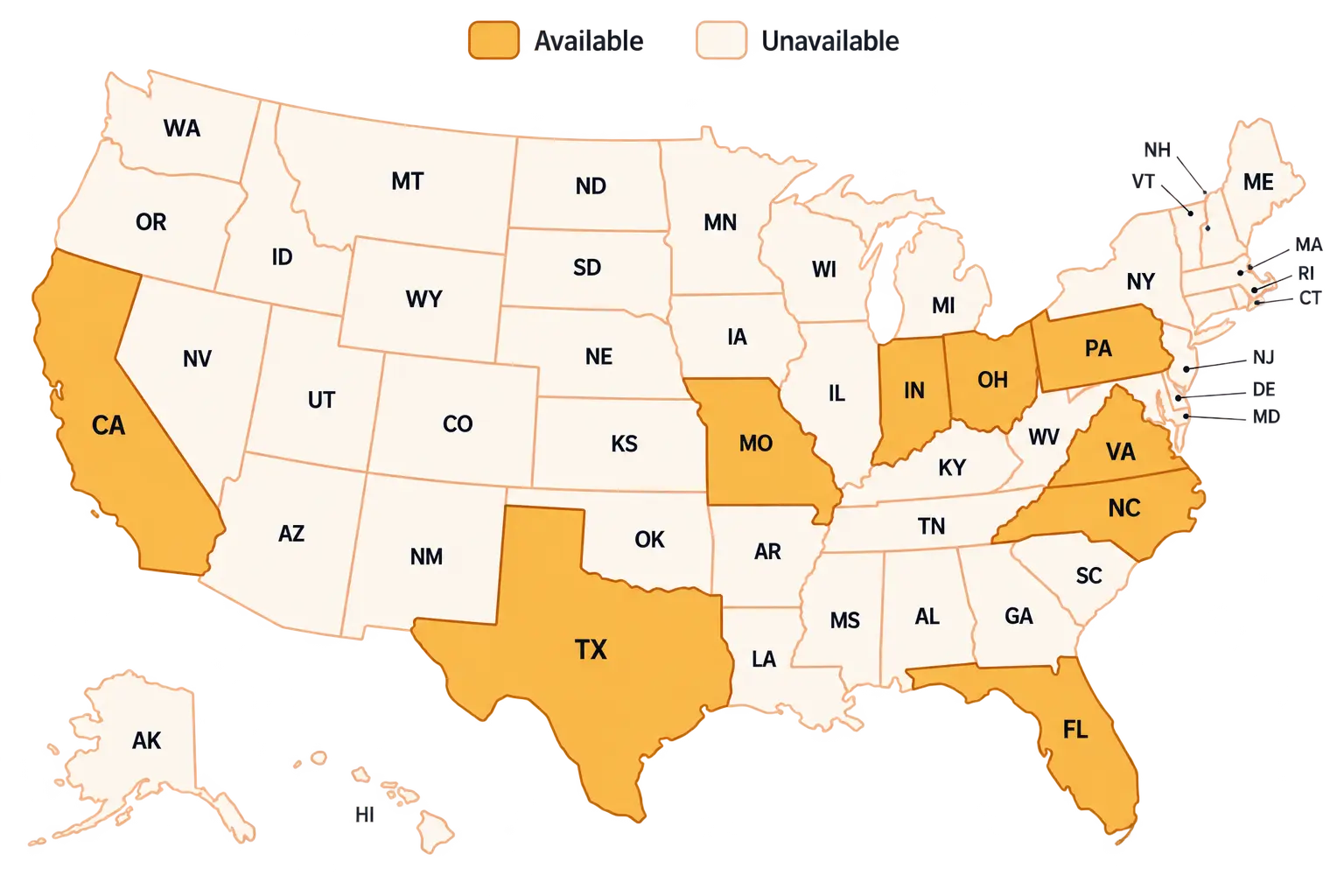
Where Is SDKare's Online Stress Treatment Available?
SDKare’s telehealth platform serves patients in the following U.S. states:
Frequently Asked Questions About Online Stress Treatment
Yes. Many concerns related to chronic stress can be assessed and managed through online healthcare consultations. Licensed providers can evaluate symptoms, identify contributing factors, and recommend individualized stress management strategies. Some patients may require additional medical evaluation or specialized mental health care.
Common signs of excessive stress include persistent fatigue, irritability, difficulty concentrating, headaches, muscle tension, sleep disturbances, and feeling overwhelmed. Symptoms may affect daily functioning and relationships. If they continue or worsen, a healthcare provider can help determine appropriate next steps.
Stress may be becoming chronic when stressful circumstances persist for weeks or months, and symptoms begin affecting your health, sleep, mood, or everyday responsibilities. There is no single duration that determines chronic stress for everyone. Persistent difficulties managing stress are a reasonable reason to seek professional support.
The most appropriate treatment depends on your stressors, symptoms, medical history, and individual needs. Stress management may include improving coping skills, addressing ongoing pressures, relaxation practices, and evidence-based psychological treatment when appropriate. A licensed provider can help identify suitable options.
Online consultations may help people experiencing work-related exhaustion, emotional strain, or difficulty coping with job demands. However, managing burnout may also require changes to workload, workplace conditions, or organizational support. Your provider can assess whether additional mental or physical health concerns are present.
Yes. Stress can contribute to headaches, muscle tension, fatigue, digestive discomfort, and sleep problems. However, these symptoms may also have other medical causes. Persistent, severe, or unexplained physical symptoms should be evaluated rather than automatically attributed to stress.
No. Chronic stress refers to an ongoing response to prolonged pressures, while anxiety disorders involve patterns of excessive fear or worry that meet specific clinical criteria. Both can affect sleep, concentration, and physical health. A provider can help distinguish overlapping symptoms.
Not necessarily. Many people benefit from stress management strategies, lifestyle adjustments, and appropriate psychological support. Medication may be considered when a separate condition requiring treatment is identified. A licensed provider determines whether prescription treatment is clinically appropriate.
Research suggests that structured, guided online stress management programs can reduce perceived stress for some participants. However, effectiveness varies based on the intervention, individual circumstances, and engagement with care. An online consultation can help determine which treatment approaches are appropriate.
There is no fixed timeline. Some people notice improvements after making changes to daily routines or coping strategies, while others need ongoing support to address persistent stressors. Your progress depends on your circumstances, symptoms, and recommended treatment approach.
Yes. SDKare offers self-pay online stress consultations, so insurance is not required. Initial appointments are listed at $159, and follow-up visits at $119. Additional treatment-related costs may apply when appropriate.
Yes. SDKare offers HIPAA-compliant virtual consultations designed to protect patient health information. You can discuss your symptoms and personal concerns with a licensed healthcare provider through a secure video appointment from a private location.
Yes. Same-day stress consultations are available through SDKare, depending on provider schedules, your location, and service eligibility. You can review available appointment times through the online booking system.