

 ChatGPT
 Perplexity
 Google AI
 Claude
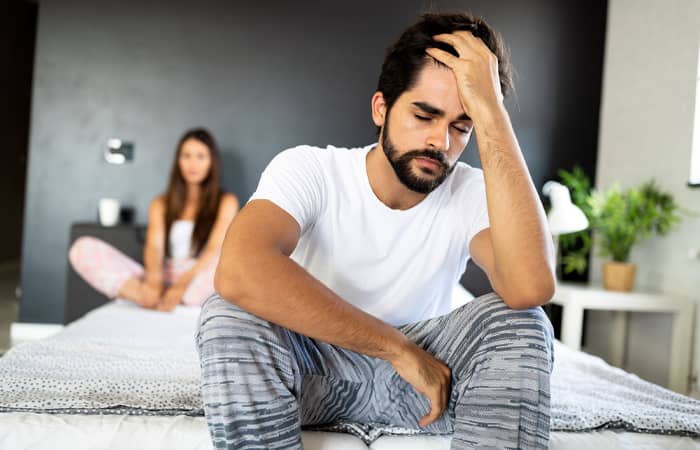
Premature ejaculation is one of the most common male sexual concerns, affecting emotional well-being, relationships, and confidence. While physical factors can play a role, growing clinical evidence shows that psychological factors, especially anxiety, can significantly influence sexual performance.
This raises an important question: Does anxiety worsen premature ejaculation, or is it simply a related condition? The answer lies in how the brain and body interact during stress, intimacy, and performance situations.
Highlights
- Anxiety can contribute to or worsen premature ejaculation in some men
- Performance anxiety may trigger a stress-response cycle that affects control
- Psychological and physical causes often overlap
- Treating anxiety may improve sexual confidence and performance
- Online treatment options make care more accessible and private
- A proper evaluation is important to identify root causes
What Is Premature Ejaculation?
Clinical research recognizes premature ejaculation as a common male sexual dysfunction that can involve both psychological and physical factors, and it is often associated with distress and reduced sexual satisfaction.
It is commonly linked to:
- Emotional stress
- Relationship pressure
- Sensitivity of sexual response
- Psychological triggers
- In some cases, medical conditions
Find answers to your health questions with a quick virtual visit.
What Is Anxiety and How Does It Affect the Body?
Anxiety is a stress response that activates the body’s “fight-or-flight” system.
When triggered, it can cause:
- Increased heart rate
- Muscle tension
- Heightened sensitivity
- Reduced emotional control
- Performance pressure
During intimacy, this stress response can interfere with sexual relaxation and control.
According to this research, anxiety activates the body’s stress system, often leading to physical symptoms such as increased heart rate, muscle tension, and heightened alertness, which can indirectly interfere with sexual relaxation and performance.

The Science Behind Anxiety and Sexual Performance
Research in sexual medicine shows a strong association between anxiety disorders and premature ejaculation.
Key findings include:
- Men with PE often report higher levels of anxiety and stress
- Performance anxiety can shorten ejaculatory latency
- Emotional distress increases sexual sensitivity and urgency
Research published in clinical psychiatry literature shows that performance anxiety and psychological stress are significantly associated with acquired forms of premature ejaculation, suggesting that emotional factors can play an important role in sexual response patterns.
Why Anxiety-Related Premature Ejaculation Is Often Misunderstood
Anxiety-related premature ejaculation is frequently misunderstood because many people assume it is only a physical condition. In reality, it often involves a complex interaction between the mind and body, where stress, anticipation, and emotional pressure can directly influence sexual response.
Unlike purely physical causes, anxiety-driven symptoms may fluctuate depending on emotional state, relationship dynamics, and situational pressure. This is why some men experience normal sexual performance in relaxed conditions but face difficulties in high-pressure or emotionally stressful moments.

Common Anxiety Triggers That Affect Sexual Performance
These triggers can activate stress responses even before or during intimacy.
- Fear of sexual failure
- Relationship tension
- Past negative experiences
- Low sexual confidence
- Generalized anxiety disorder
- Performance expectations
The Anxiety–Premature Ejaculation Cycle
In many men, premature ejaculation linked to anxiety doesn’t happen randomly; it often follows a repeating mental and physical pattern. When sexual performance starts to feel “important” or pressured, the mind becomes more alert and self-focused. This can affect relaxation and natural control during intimacy.
After one difficult experience, it’s common for the brain to remember it, which can create worry before the next encounter.

Over time, this can become a repeating pattern that is difficult to break without addressing the underlying anxiety.
Signs Anxiety May Be Playing a Role
If anxiety is contributing to premature ejaculation, men often notice:
- Thinking too much during intimacy instead of relaxing
- Feeling nervous or tense before sexual activity
- Worrying about “lasting long enough.”
- Avoiding intimacy due to fear or pressure
- Losing confidence after an experience
- Feeling more focused on performance than connection
How Treating Anxiety May Improve Premature Ejaculation
Addressing anxiety can help reduce performance pressure and improve sexual confidence. For individuals experiencing ongoing anxiety symptoms, seeking online anxiety treatment may help address the underlying psychological patterns contributing to sexual performance concerns.
Common treatment approaches include:
- Cognitive Behavioral Therapy (CBT)
- Mindfulness-based stress reduction
- Lifestyle and stress management
- Relationship counseling
- Medical evaluation when needed
Find answers to your health questions with a quick virtual visit.
Treatment Options for Premature Ejaculation
Treatment depends on the underlying cause and may include:
- Behavioral techniques (start-stop method)
- Psychological therapy
- Stress reduction strategies
- Medication (when appropriate)
- Telehealth consultations
Men seeking privacy and convenience can also explore premature ejaculation treatment online for professional evaluation and personalized care from home.
When to Seek Professional Help
You should consider professional support if:
- Symptoms persist over time
- Anxiety is affecting sexual confidence
- Relationships are impacted
- Stress feels uncontrollable
- Self-help strategies are not effective
Healthcare professionals increasingly recognize that premature ejaculation is not solely a physical condition. In many cases, psychological factors, especially anxiety, play a central role in symptom development and severity.
A comprehensive evaluation is essential because treatment outcomes improve significantly when both emotional and physical factors are addressed together. Telehealth-based care now allows patients to access confidential support, including therapy and medical consultation, without in-person barriers.

Conclusion
Anxiety can play a significant role in worsening premature ejaculation by increasing performance pressure, reducing relaxation, and creating a cycle of worry that affects sexual control. While it is not always the sole cause, it is often an important contributing factor that should not be overlooked.
Understanding this connection is the first step toward improvement. When anxiety is addressed through lifestyle changes, therapy, or structured medical support, many men experience better confidence, improved control, and healthier sexual performance.
If symptoms persist, seeking professional evaluation through telehealth services can help identify whether psychological, physical, or combined factors are involved, leading to more effective and personalized treatment.
Frequently Asked Questions
Anxiety can activate the body’s stress response, increasing physical arousal, muscle tension, and performance pressure. This heightened state can reduce ejaculatory control in some men, leading to premature ejaculation symptoms.
Premature ejaculation can be caused by a combination of psychological and physical factors. Common causes include anxiety, stress, relationship issues, hormonal imbalance, and heightened penile sensitivity.
Yes, premature ejaculation can often be managed effectively. Treatment depends on the underlying cause and may include behavioral therapy, stress management techniques, medical treatment, and online premature ejaculation treatment options.
Natural approaches may include relaxation techniques, pelvic floor exercises (Kegels), mindfulness practices, reducing anxiety levels, and improving overall mental health. These methods can help improve control over time.
Pelvic floor strengthening exercises, especially Kegel exercises, are commonly recommended. They help improve muscle control, which may assist in delaying ejaculation in some men.
Techniques such as controlled breathing, start-stop training, reducing performance anxiety, and improving emotional relaxation can help some men gain better control during intimacy.
No, premature ejaculation is not caused by a partner. However, relationship dynamics, emotional pressure, or performance anxiety within intimacy may indirectly influence symptoms in some cases.
Find answers to your health questions with a quick virtual visit.