

 ChatGPT
 Perplexity
 Google AI
 Claude

Intimacy rarely disappears in a day. More often, stress, miscommunication, and life transitions (kids, careers, caregiving, health changes) slowly push connection to the background. If you’re asking whether therapy for couples can genuinely help, the short answer is yes: modern couples’ therapies consistently improve relationship satisfaction, communication, and emotional closeness, conditions that support sexual and physical intimacy, too.
Most reviews show that the “average couple” treatment ends better off than most couples who don’t receive therapy.
What Couples Therapy Actually Does
Couples therapy is not a referee service that is a structured process to map your interaction patterns (pursue/withdraw, attack/defend), slow them down, and replace them with safer, more responsive conversations. The point isn’t to crown a winner; it’s to restore a felt sense of safety and closeness so intimacy can return. Three evidence-based approaches dominate:
Emotionally Focused Therapy (EFT)
EFT helps couples understand and break negative patterns that lead to emotional distance. It teaches partners to express their deepest feelings (like fear of being rejected) rather than reacting with anger or frustration. This therapy focuses on rebuilding trust and emotional security, which research shows can greatly improve relationship satisfaction over time.
Find the support you need with confidential, online therapy sessions.

Integrative Behavioral Couple Therapy (IBCT)
IBCT encourages couples to accept each other’s differences and work on changing harmful behaviors. The goal is to reduce conflict by learning healthier ways of interacting. Studies show that IBCT leads to significant improvements in relationships, with benefits that often last for years. It can even outperform traditional therapy methods in some cases.
The Gottman Method
Based on years of research, the Gottman Method focuses on improving communication and building friendships between partners. It teaches couples how to manage conflicts and create a deeper connection. Research shows that it can improve trust, help manage arguments, and even increase intimacy.
Why Intimacy Fades & How Couple Therapy Can Help
Intimacy is about more than just sex; it’s emotional closeness, physical touch, sexual desire, and shared values. Over time, intimacy can fade when:
- Routine tasks take over: Work, chores, and schedules leave no room for emotional connection.
- You get stuck in the same argument: You’re having the same fight over and over, and it never gets resolved.
- Hurt builds up: When misunderstandings or hurt feelings go unaddressed, they pile up and create distance.
- Life changes drain your energy: Major life events (like having a baby or caring for a sick parent) take up your time and focus away from each other.
Couples therapy helps you recognize these patterns and teaches you small, repeatable ways to reconnect. This includes slowing down arguments, acknowledging each other’s feelings, and showing support. When emotional safety improves, sexual intimacy often becomes easier, too; it’s not just about more “date nights.” Therapy helps you rebuild the foundation first, so connection can naturally follow.
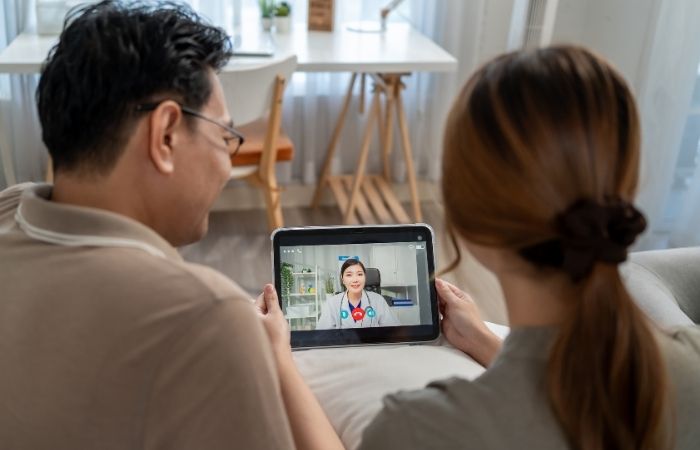
Is Online Couples Therapy as Effective as In-Person Sessions?
Yes, online couples therapy is as effective as in-person sessions for many couples. A meta-analysis published in Psychotherapy Research found that teletherapy yields comparable outcomes to face-to-face therapy, with no significant differences in relationship satisfaction or therapeutic alliance.
Additionally, a study in Psychological Services reported that couples participating in online therapy experienced significant improvements in communication and relationship quality, like those attending traditional in-person sessions. These findings suggest that the effectiveness of therapy is more dependent on the therapeutic approach and the couple’s engagement rather than the delivery method.
Relationship therapy benefits you can expect
While results vary, common relationship therapy benefits documented in the literature include:
- Improved Communication
Couples therapy teaches partners how to communicate openly and listen actively, leading to fewer misunderstandings and stronger connections. - Increased Emotional Intimacy
Therapy fosters vulnerability, empathy, and trust, helping couples deepen their emotional connection and feel more supported by each other. - Better Physical and Sexual Intimacy
As emotional closeness improves, physical and sexual intimacy often follows, with partners feeling more secure and connected. - Constructive Conflict Resolution
Couples learn to handle disagreements with respect and understanding, reducing conflict and building healthier ways to resolve issues. - Enhanced Resilience During Stressful Times
Therapy provides tools to navigate life’s challenges together, helping couples stay strong and connected through difficult periods.
These aren’t marketing claims; they’re consistent outcomes across models and reviews.
Find the support you need with confidential, online therapy sessions.
What to expect in a first SDKare session
- Mapping the pattern. Your therapist hears both perspectives and identifies how the negative cycle starts and escalates.
- Setting goals you can measure. Examples: fewer escalations, weekly connection rituals, easier repair after conflict, and more comfortable sexual conversations.
- A tailored approach. Depending on fit, you may use elements of EFT (attachment-focused bonding), IBCT (acceptance + change), or the Gottman Method (skills and rituals) to rebuild couples therapy intimacy.
- At-home practice. Short exercises (check-ins, “soft startup” scripts, five-minute affection rituals) that accumulate into big changes.
- Safety screen. Standard protocols ensure online work is appropriate; active violence or coercive control requires specialized pathways before joint therapy.
Who benefits most, and when to pause
Couples do their best when both partners are willing to attend, practice between sessions, and keep the work safe (no intimidation or ongoing violence). If there are significant untreated issues like substance dependence or acute psychiatric safety concerns clinicians may recommend individual stabilization first, then resume conjoint work. This sequencing protects everyone and improves the chances of a good outcome.

Practical Ways Therapy Rebuilds Intimacy (What It Looks Like Week to Week)
- Slow Down the Moment:
When you feel yourself pulling away or getting upset, take a pause. For example, say, “I’m shutting down because I’m scared, not because I don’t care.” Slowing down helps you avoid reacting impulsively and creates space for understanding. - Name the Need:
Instead of blaming, say what you need to feel better, like “I need reassurance” or “I want to feel close to you.” This helps communicate vulnerability without putting pressure on your partner. - Repair Quickly:
If you’ve disagreed, own your part in it, validate your partner’s feelings, and agree on a small next step to move forward. This can help prevent small issues from snowballing into bigger problems. - Re-learn Warmth:
Practice small gestures of affection, like a five-minute check-in or a hug. This helps reduce defensiveness and builds emotional safety. Physical touch also makes it easier to approach intimacy later. - Talk About Sex Kindly:
Discuss your sexual needs openly, but with care. If there are differences in desire or concerns like pain, address them calmly. Planning low-pressure intimacy time can help both of you feel more comfortable.
Ready to rebuild your connection with SDKare?
If intimacy feels distant, you don’t have to figure it out alone. SDKare’s licensed clinicians use evidence-based therapy for couples delivered via secure telehealth. You can start where you are, together. Book an SDKare couples therapy consultation today and take your first step back to closeness.
Frequently Asked Questions
Couples therapy helps improve communication, resolve conflicts, and rebuild emotional and physical intimacy. It provides tools to better understand each other and strengthen your bond.
Yes, research shows online therapy can be just as effective as in-person therapy, with couples reporting improvements in communication and relationship satisfaction. It's convenient and accessible.
In your first session, the therapist will listen to both partners’ perspectives, identify key issues, and create a plan to improve communication and intimacy. It's a space to share openly and set goals for the relationship.
Many couples start seeing improvements within 6 to 10 sessions, but the timeline can vary depending on the issues and the couple’s commitment to the process.
No, therapy can benefit any couple, whether you’re facing specific issues or just want to strengthen your relationship and improve intimacy.
If you’re feeling disconnected, struggling with communication, or facing recurring conflicts, therapy can help you address these issues and improve your relationship.
Yes, by improving emotional connection and communication, couples therapy often leads to better sexual intimacy. Addressing emotional safety first can make it easier to reconnect physically.
Look for a therapist who specializes in relationship dynamics and uses evidence-based methods like EFT, Gottman, or IBCT. It’s important that both partners feel comfortable with the therapist.
Find the support you need with confidential, online therapy sessions.