

 ChatGPT
 Perplexity
 Google AI
 Claude
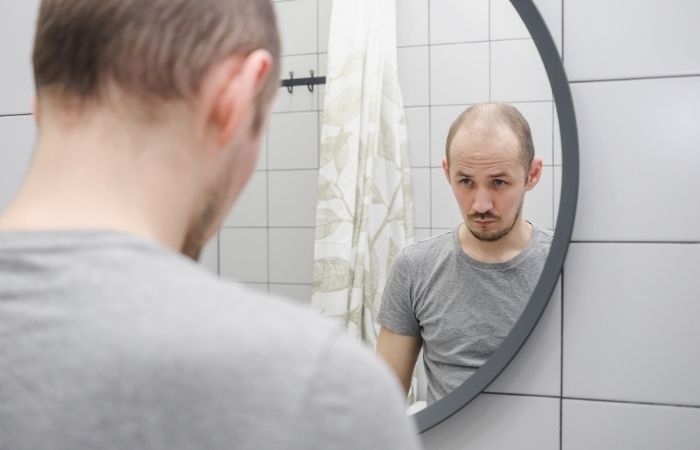
Understanding Hair Loss: What It Is and Why It Happens
One of the most common forms of hair loss is Androgenetic alopecia (AGA), also known as male‑ or female‑pattern baldness. This is a genetically predisposed condition, often triggered by sensitivity to androgens (hormones), which causes hair follicles to gradually miniaturize and produce thinner, shorter hair until growth stops. AGA affects about 50% of males and a significant proportion of females.
Beyond genetic causes, hair loss can also arise from other conditions—such as patchy hair‑loss disorders like Alopecia areata, scalp infections, stress or chronic illnesses, nutritional deficiencies, hormonal imbalances, or side‑effects of medications.
Because hair loss is often progressive and visible (receding hairline, thinning crown, diffuse thinning), it can serve as a visible marker of aging or changing health, which many find distressing.
The Psychological Toll: Hair Loss and Self‑Confidence
Hair is not just biological tissue for many; it is tied intimately to identity, attractiveness, and youthfulness. When hair begins to thin or disappear, the psychological impact can be profound.
- Studies on AGA and other forms of hair loss have reported high rates of psychological distress, including anxiety, lowered self-esteem, body‑image dissatisfaction, depression, and social withdrawal.
- AGA affects about 50% of males and a significant proportion of females. The effect of AGA on individuals’ self-esteem can be profound, as hair is not just biological tissue for many; it is tied intimately to identity, attractiveness, and youthfulness. When hair begins to thin or disappear, the psychological impact can be significant. Understanding these effects and exploring treatment options are important aspects of men’s health.
- For many, hair loss is interpreted (by themselves or by others) as a loss of attractiveness, vitality, or even youth, all of which can profoundly affect one’s social confidence and sense of self.
- Indeed, a recent meta‑analysis and review of studies reported that individuals with AGA are more likely to suffer from depressive symptoms; the mental‑health burden becomes more significant as hair loss becomes more severe.
Because of the stigma and feelings of shame, hair loss often remains a silent struggle. People may avoid social events, feel self-conscious in public settings, or even withdraw from intimate relationships, eroding not just physical appearance but overall quality of life.
Find answers to your health questions with a quick virtual visit.

Changing the Narrative: Breaking the Stigma
To lessen the emotional burden of hair loss and restore self‑confidence, it’s essential to shift how we think about and talk about hair loss. Here are some key steps:
1. Normalize the Conversation
Hair loss is widespread, affecting nearly half of all men, and many women will experience it by middle age. Recognizing it as a natural, often genetically driven phenomenon can reduce shame and psychological distress.
Open conversations about hair loss (with friends, family, or peers) can help people realize they are not alone. Support groups and forums, especially those focusing on mental health and body image, can provide solidarity and encouragement.
2. Understand That Self‑Worth Is More Than Hair
Personal worth and confidence stem from many factors, such as skills, achievements, personality, relationships, and goals, not just appearance. Focusing on building inner confidence, pursuing passions, improving health, or developing talents can shift attention away from hair as the sole marker of attractiveness.
3. Seek Evidence‑Based Treatments & Professional Help
If hair loss causes distress, seeking medical or psychological help is a valid step. Treatments exist, and while no cure guarantees complete restoration for everyone, many therapies have documented success (see next section).
At the same time, mental health matters, speaking to a counselor, therapist, or joining support groups can help address anxiety, depression, or body‑image issues stemming from hair loss.
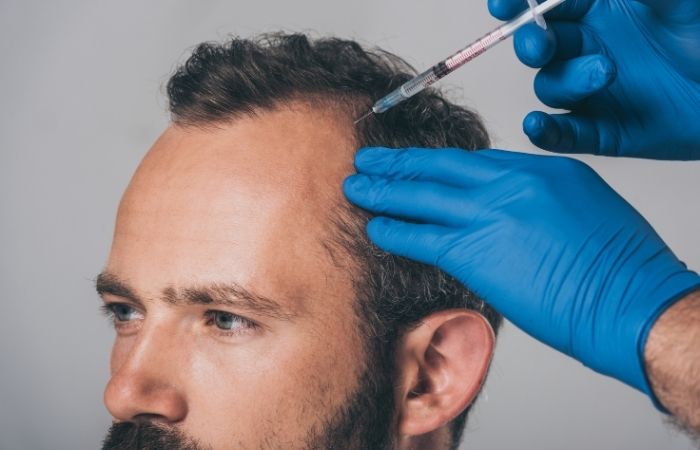
Evidence-Based Treatments: What Works (and the Trade-Offs)
Here’s a look at treatments for pattern hair loss, what the evidence says about them, and realistic expectations.
Treatment / Approach
- Topical Solutions: Widely recognized as a first-line therapy for pattern hair loss. Studies show that many patients see stabilization or mild regrowth over months. Results may vary; some people may experience irritation or shedding before regrowth becomes visible. Regular and long-term application is required for effectiveness.
- Oral Medications: Evidence supports significant slowing or halting of hair loss, with some increase in hair density over time. Long-term use often yields better outcomes. However, stopping treatment can lead to the reversal of any progress made. It’s important to consider potential side effects, including hormonal imbalances and other concerns.
- Combination Therapies: Studies indicate that combining different types of treatments may yield better results than using a single treatment alone in many cases. Consistency is key for effectiveness, and side effects must be carefully monitored.
- Other Approaches (e.g., Hair Restoration Procedures): These treatments can sometimes offer visible regrowth or coverage, especially for advanced hair loss. However, they can be costly and vary in effectiveness. Not everyone is a suitable candidate, and maintenance may be necessary for lasting results.According to dermatology guidance, some treatments remain first-line options for pattern hair loss, though patient responses vary, and permanent reversal is rarely guaranteed.
Recent reviews continue to emphasize that hair loss treatments, when used properly, can improve not only hair density but also psychological well-being, self-esteem, and quality of life.
Important Note: Some treatments carry side effects (e.g., sexual dysfunction, mood changes) and may not be suitable for everyone. In particular, treatments that affect hormones should be considered only after consulting a qualified physician and fully understanding the potential risks.
Find answers to your health questions with a quick virtual visit.
Building Confidence Beyond Hair
Treatments can help, but building confidence ultimately comes from embracing oneself and cultivating resilience. Here are some strategies:
- Self‑acceptance & Mindset Shift: Accept that hair loss is common and normal. Many people with varied hair types and styles live confidently and happily bald or with thin hair. Choose a style or look (buzz cut, short crop, elegant shave) that suits your identity rather than resisting change.
- Focus on Physical and Mental Health: Regular exercise, a balanced diet, sufficient sleep, and stress management boost overall health and body image. Healthy lifestyle habits may also support scalp and hair health.
- Strengthen Other Areas of Self‑Worth: Develop skills, hobbies, relationships, and passions, and achieve success and fulfillment in diverse areas, to reduce over-reliance on appearance for self-esteem.
- Seek Emotional Support: Talk to trusted friends or family; if feelings of anxiety, depression, or low self‑esteem persist, consider counseling or therapy. Peer support groups (online or offline) of people dealing with hair loss can help share coping strategies.
- Educate Yourself & Set Realistic Expectations: Know what treatments can realistically do, understand timelines (e.g., drugs may take several months to show results), and recognize that perfection is rarely attainable, but improvement and better self-confidence are.

Why Breaking the Stigma Matters
- Improved Mental Health: Recognizing hair loss as usual reduces shame and isolation. When people talk openly, they realize they are not alone, which helps relieve stress, anxiety, and depression.
- Better Decision-Making: Awareness helps individuals make informed choices about treatments rather than resorting to gimmicks, misinformation, or unproven remedies.
- Promotes Self‑Acceptance and Self‑Growth: When hair isn’t the sole determinant of attractiveness or self-worth, people can focus on inner qualities, skills, health, and life goals, leading to more sustainable well‑being.
- Strengthens Community & Empathy: Shared stories create supportive spaces where people encourage one another, reducing stigma and fostering a more compassionate culture.
Conclusion
Hair loss is more than a cosmetic issue; it touches identity, self‑esteem, and mental health. For many, it can trigger profound distress, anxiety, and social withdrawal. But knowledge is power: by understanding the medical realities, acknowledging the psychological impact, and accessing evidence‑based treatments and emotional support, individuals can reclaim confidence and reshape their self‑image.
Breaking the stigma around hair loss starts with honest conversations, acceptance, and supportive communities. Ultimately, confidence comes not merely from appearance but from knowing your worth, embracing your identity, and caring for your overall well‑being.
Frequently Asked Questions
No, while genetic predisposition (like in androgenetic alopecia) is the most common cause, hair loss can also result from stress, hormonal changes, autoimmune conditions, infections, nutritional deficiencies, medications, and other medical conditions.
Hair loss affects both men and women, though the patterns and prevalence may differ. While male pattern baldness (AGA) is more discussed, many women also experience diffuse thinning or female-pattern hair loss, which can carry significant psychological distress.
Some treatments (especially those affecting hormones) can carry risks. Emerging studies and reviews have raised concerns that certain medications may impact mood, mental health, or sexual function. It’s essential to consult a qualified doctor and monitor both physical and mental health while on treatment.
- Accept that hair loss is common and does not define your worth.
- Focus on inner strengths: talents, relationships, health, personality.
- Seek support: friends, family, therapy, peer groups.
- Practice self‑care: good nutrition, exercise, and stress management.
- Explore alternative looks: embracing a shaved head or short haircut can also be empowering.
Find answers to your health questions with a quick virtual visit.