
 ChatGPT
 Perplexity
 Google AI
 Claude

Why This Matters
Chronic pain and depression are two of the most debilitating health issues that people face globally. While both are often thought of as separate conditions, the reality is that they are inextricably linked. Chronic pain not only affects the body but also takes a toll on mental health, often leading to depression. As healthcare providers, understanding this complex relationship is crucial for offering comprehensive care that addresses both aspects.
Chronic pain is defined as pain that lasts for three months or more, persisting even after the injury or illness has healed. When this pain lingers, it can affect not just physical well-being but also emotional stability. In fact, studies show that individuals with chronic pain are far more likely to experience depression, with estimates indicating that up to 40% of chronic pain sufferers also battle clinical depression.
Understanding the link between chronic pain and depression, and addressing both conditions together, is key to improving patients’ overall quality of life. Here’s what you need to know about this “double burden” and how it can be managed.
What Is Chronic Pain?
Chronic pain is different from regular pain in that it doesn’t go away with time or healing. It lasts for three months or longer and often occurs in conditions like arthritis, neuropathy, fibromyalgia, and lower back pain. The pain can range from mild discomfort to debilitating sensations that interfere with daily activities.
Types of Chronic Pain
- Arthritis and Joint Pain: Often caused by wear and tear of the joints.
- Neuropathic Pain: Resulting from nerve damage, such as diabetic neuropathy.
- Back and Spine Pain: One of the most common types of chronic pain.
- Fibromyalgia: Widespread pain often accompanied by fatigue, sleep, and mood problems.
- Post-Surgical Pain: Pain that lingers even after surgery or healing.
Chronic pain isn’t just about the pain itself. It can lead to other complications, including sleep disturbances, impaired mobility, and reduced mental health. This is where depression often comes into the picture.
Book a consultation with a pain management expert from the comfort of your home.

The Link Between Chronic Pain and Depression
How Chronic Pain Leads to Depression
Chronic pain and depression are closely connected through both biological and behavioral mechanisms.
- Biological Mechanisms: Both chronic pain and depression involve imbalances in neurotransmitters like serotonin, dopamine, and norepinephrine. These chemicals affect mood, pain perception, and stress responses. When the brain experiences chronic pain, it often leads to decreased serotonin levels, which can cause depressive symptoms.
- Behavioral Mechanisms: Chronic pain can cause social isolation, sleep disturbances, and a decrease in activity levels, all of which are risk factors for depression. When a person cannot participate in their usual daily activities due to pain, it leads to feelings of helplessness and despair.
This overlap creates a vicious cycle where pain worsens depression, and depression, in turn, amplifies the perception of pain. According to research, up to 40% of people with chronic pain are diagnosed with depression, compared to only 7-10% of the general population.
Why Chronic Pain Can Cause Depression
The path from chronic pain to depression is multi-faceted and involves several key factors:
1. Neurochemical Overlap
Chronic pain and depression both affect brain areas that regulate mood, stress, and pain perception. Disruptions in the serotonin and norepinephrine systems are implicated in both conditions.
2. Psychological Stress
Ongoing pain is inherently stressful, and this prolonged stress can lead to changes in how the brain processes emotions, leading to anxiety and depression.
3. Decreased Quality of Life
The constant burden of chronic pain can lead to reduced social engagement, lowered self-esteem, and loss of enjoyment in activities. These factors significantly increase the risk of depression.
4. Sleep Disruptions
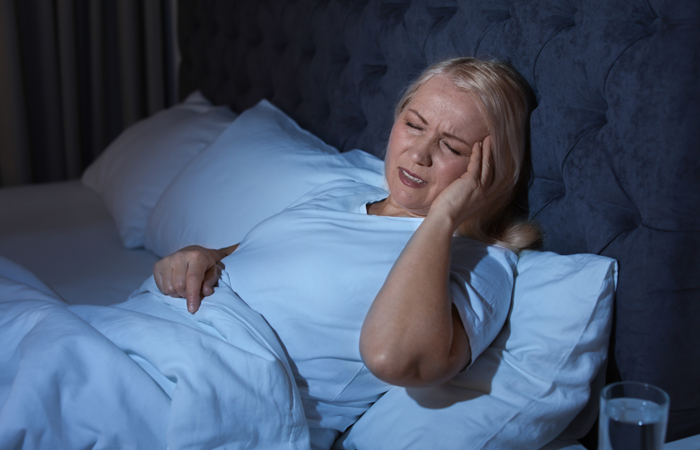
Pain often interferes with sleep, which plays a significant role in mood regulation. People with chronic pain may experience insomnia, nighttime pain, and restless sleep, all of which contribute to the development of depression.

Symptoms: How to Spot Both Conditions
It can be difficult to distinguish between the symptoms of chronic pain and depression, as they overlap in many ways. Here are some common signs of each:
Chronic Pain Symptoms
- Persistent pain that lasts for more than three months.
- Pain in the joints, muscles, or back.
- Muscle stiffness or spasms.
- Difficulty moving or completing daily tasks.
- Sleep disturbances.
Depression Symptoms in Chronic Pain
- Low mood or sadness that lasts for weeks or months.
- Lack of interest in activities once enjoyed.
- Fatigue, even after rest.
- Feelings of hopelessness, helplessness, or worthlessness.
- Difficulty concentrating or making decisions.
Book a consultation with a pain management expert from the comfort of your home.
Treatment Options for Chronic Pain and Depression
Managing depression and chronic pian requires a multidisciplinary approach, combining physical treatments, mental health support, and lifestyle changes.
1. Medical Treatment
- Medications for Chronic Pain: These can include NSAIDs, opioids (though used sparingly), or antidepressants like SNRIs (Serotonin-Norepinephrine Reuptake Inhibitors), which can treat both pain and depression.
- Antidepressants: Medications like SSRIs (Selective Serotonin Reuptake Inhibitors) and SNRIs target both emotional and physical symptoms.
- Topical Treatments: Gels or creams that alleviate localized pain.
2. Cognitive Behavioral Therapy (CBT)
CBT helps patients change negative thought patterns related to both chronic pain and depression. It can teach coping strategies to deal with the emotional distress caused by pain.
3. Exercise and Physical Therapy
Physical therapy is essential to improving mobility and managing pain. Low-impact exercises like walking, yoga, or swimming can also improve mood by releasing endorphins, the body’s natural “feel-good” chemicals.
4. Telehealth Services
Telehealth allows for remote care, providing patients with consistent, professional guidance. Therapy sessions, pain management consultations, and mental health check-ins can all be managed online, ensuring access to care even when patients cannot visit a clinic in person.

Pain vs. Depression Symptoms What Differs?
| Chronic Pain Sign | Depression Sign | Overlap |
|---|---|---|
|
Localized pain |
Emotional sadness |
Sleep problems |
|
Pain flare-ups |
Loss of interest |
Fatigue |
|
Altered gait/posture |
Feelings of worthlessness |
Difficulty concentrating |
|
Sensory distress |
Persistent low mood |
Appetite changes |
Conclusion
Chronic pain and depression are closely intertwined, creating a cycle that can severely impact both physical and mental health. By recognizing this connection and providing integrated treatment for both conditions, patients can experience significant improvements in their overall well-being.
At SDKare, we specialize in telehealth services that combine chronic pain management and mental health support to address both sides of the equation. If you’re struggling with chronic pain and depression, don’t hesitate to reach out to us for comprehensive care.
FAQs
Yes, chronic pain alters brain chemistry and increases stress, which can lead to depression.
Yes, depression amplifies pain perception, making it feel more intense.
Treatment involves a combination of medication, therapy, and lifestyle changes tailored to the individual's needs.
Yes, seeing a specialist helps address both physical and emotional challenges in a comprehensive manner.
Yes, telehealth provides consistent access to care, which can be crucial for patients managing chronic conditions.
Book a consultation with a pain management expert from the comfort of your home.