

 ChatGPT
 Perplexity
 Google AI
 Claude
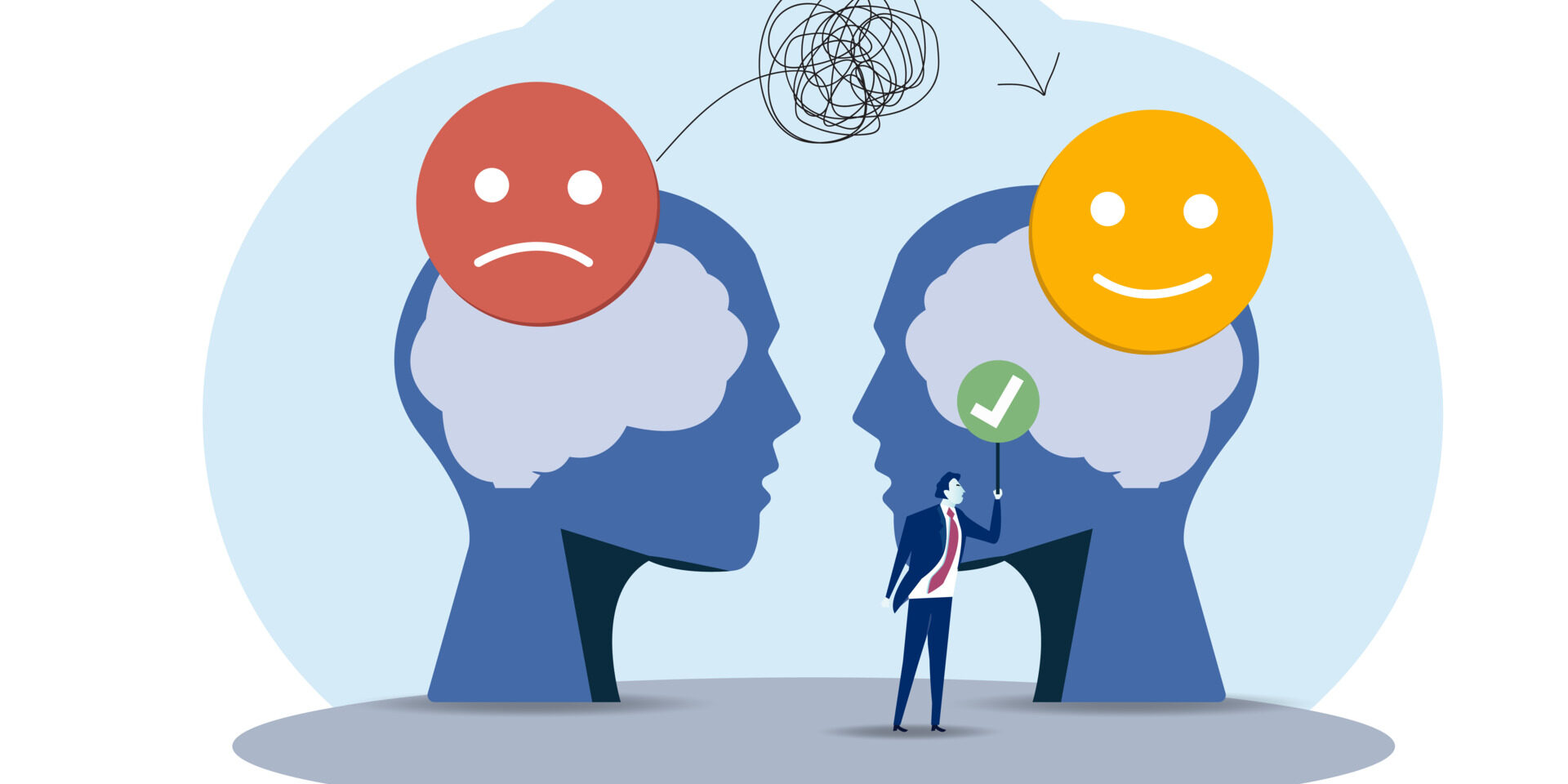
What is cognitive therapies?
Benefits of cognitive therapies
- Reduces symptoms of anxiety and depression
- Improves problem-solving skills
- Helps manage stress effectively
- Provides coping strategies for negative thoughts
- Enhances self-awareness and emotional resilience
What is DBT?
Dialectical Behavior Therapy (DBT) is a specialized form of cognitive-behavioral therapy (CBT) designed to help individuals manage intense emotions and improve their quality of life. It focuses on four key areas: emotional regulation, distress tolerance, mindfulness, and interpersonal effectiveness. Originally developed to treat individuals with borderline personality disorder (BPD), DBT has evolved to effectively address a variety of mental health conditions, including depression, anxiety, post-traumatic stress disorder (PTSD), eating disorders, and substance abuse. By combining cognitive strategies with mindfulness techniques, DBT empowers individuals to develop healthier coping mechanisms, improve relationships, and navigate life’s challenges with greater emotional balance and resilience.
Benefits of DBT
- Enhances emotional regulation
- Teaches mindfulness techniques
- Helps manage intense emotions
- Improves relationships and communication skills
- Increases distress tolerance and resilience
How CBT & DBT Can Transform Your Mental Health in 12 Weeks
Weeks 1-4: Understanding Thought Patterns & Emotional Reactions
- CBT Focus: Identifying negative thought patterns and learning how they influence emotions and behaviors.
- DBT Focus: Introduction to mindfulness and distress tolerance techniques to help manage emotions more effectively.
Weeks 5-8: Implementing Coping Strategies & Behavioral Changes
- cognitive therapies Focus: Developing cognitive restructuring techniques to challenge and replace negative thoughts.
- DBT Focus: Learning emotional regulation strategies to control impulsive reactions and improve emotional stability.
Weeks 9-12: Strengthening Skills & Maintaining Progress
- CBT Focus: Practicing problem-solving skills and reinforcing positive behaviors.
- DBT Focus: Strengthening interpersonal effectiveness and maintaining emotional balance in real-world scenarios.
By the end of 12 weeks, most individuals report significant improvements in their mental health, including reduced anxiety, improved mood, and better-coping mechanisms.
Who Can Benefit from CBT & DBT?
CBT and DBT are effective for a wide range of mental health concerns, including:
- Anxiety disorders
- Depression
- PTSD (Post-Traumatic Stress Disorder)
- Bipolar disorder
- Eating disorders
- Substance use disorders
- Borderline personality disorder (for DBT specifically)
If you’re experiencing emotional distress, difficulty coping, or persistent negative thoughts, these therapies can provide you with the tools to regain control of your life.
How to Get Started with CBT or DBT
If you’re interested in starting CBT or DBT, you don’t have to wait. Telehealth services make it easier than ever to connect with licensed professionals from the comfort of your home.
Get Help with SDKare
At SDKare, We’re Here to Support Your Journey to Better Health!
Our telehealth services for mental health are designed with your needs in mind, offering a seamless and convenient way to access care. With SDKare, you can easily book appointments, consult with experienced medical providers, and receive personalized care—all from the comfort and privacy of your home.
Your mental well-being matters, and we’re here to make getting help easier than ever.
Don’t wait—prioritize your mental health today. Schedule an appointment now and take the first step toward healing and a healthier future!
Frequently Asked Questions
Q. How do I know if CBT or DBT is right for me?
A. CBT is best suited for individuals who struggle with negative thought patterns and need structured problem-solving strategies. DBT is ideal for those who experience intense emotions, impulsivity, or difficulties in relationships. A mental health professional can help determine which approach is best for you.
Q. Can I do CBT or DBT online?
A. Yes! Many licensed providers offer cognitive therapies and DBT through telehealth services, allowing you to receive therapy from the comfort of your home.
Q. How long does it take to see results with CBT and DBT?
A. Many individuals notice improvements within a few weeks, with significant progress by the 12-week mark. However, the timeline varies based on individual needs and commitment to therapy.
Q. What if I’ve tried therapy before and it didn’t work?
A. Not all therapy approaches work the same for everyone. If one method didn’t work in the past, a different approach like DBT or structured CBT may be more effective. The key is finding the right fit for you.
Q. Is CBT or DBT covered by insurance?
A. Many insurance plans cover CBT and DBT. Check with your provider or consult with SDKare to explore your options for affordable therapy services.
Conclusion
Take the first step toward better mental health telehealth today with CBT or DBT. With dedication and the right support, you can feel better in just 12 weeks!
