

 ChatGPT
 Perplexity
 Google AI
 Claude
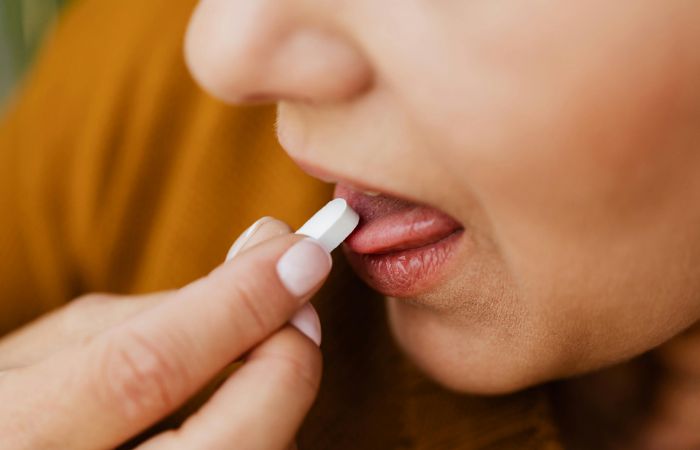
When COVID-19 first emerged, clinicians were overwhelmed by the variety of symptoms from respiratory distress to taste loss, rashes, and fatigue. But as the virus evolved, new signs continued to appear. One such sign was COVID tongue, describing noticeable changes in the tongue and oral cavity. Initially considered anecdotal, this symptom has since gained traction in medical literature, prompting the question: Should COVID tongue be considered a real COVID-19 symptom? Let’s break it down.
What Is COVID Tongue?
“COVID tongue” refers to several oral changes that may appear during or after COVID-19 infection. Reported signs include:
- Swelling or inflammation
- Red, purple, or patchy discoloration
- White or yellow lesions
- Burning or tingling sensations
- A “geographic tongue” appearance
These are not unique to COVID-19, but research suggests that the virus, immune response, or secondary infections may influence these changes. A review published in the Journal of Oral Biology documents a range of oral symptoms, including tongue lesions linked to COVID-19 (Farid et al., 2021).
Book a consultation with an expert primary care provider virtually.

Is COVID Tongue Common?
While less recognized than fever or cough, oral symptoms are becoming widely reported. Early in the pandemic, health agencies like the WHO and CDC did not include oral issues such as symptoms. However, emerging research has reshaped this view.
A cross-sectional clinical study found that 29% of COVID-19 patients had oral manifestations, such as tongue lesions or ulcerations (Binmadi et al., 2022). A systematic review and meta-analysis also confirmed that symptoms like dry mouth, taste disturbances, and mucosal lesions were common across multiple studies (Aragoneses et al., 2021).
Although “COVID tongue” isn’t formally defined, the evidence suggests that tongue and mouth changes appear in a significant number of infected individuals.

What Causes COVID Tongue?
The exact mechanism remains unclear, but several theories exist:
1. Immune System Response
Inflammation triggered by viral infection may lead to swelling, redness, and tongue discomfort (Farid et al., 2021).
2. Direct Viral Involvement
The mouth contains high levels of ACE2, the same receptors as the virus binds, suggesting SARS-CoV-2 may directly affect oral tissues.
3. Vascular Inflammation
COVID-19 is known to cause vascular issues. Changes in blood flow or vessel inflammation may explain discoloration or patchy lesions.
4. Microbiome Disruption
COVID-19, medications, and immune changes can disturb the oral microbiome, potentially leading to fungal infections or depapillated tongue patches (Dziedzic & Wojtyczka, 2021).
5. Secondary Causes
A 2023 review argues that many oral lesions may result from dehydration, stress, medications, or opportunistic infections, solely the virus (Sarasati et al., 2023).
This suggests we should interpret these findings carefully.
Book a consultation with an expert primary care provider virtually.
Could COVID Tongue Be a Useful Indicator?
Emerging evidence shows oral symptoms may appear at different stages:
- Before respiratory symptoms
- During active infection
- Long after recovery, as part of long COVID (Avais et al., 2025)
Some clinicians note that patients with oral symptoms, including tongue changes, may experience more severe illness, though research is ongoing.
However, experts also caution that these oral findings vary widely and lack a single “signature” pattern.
According to a critical review, oral symptoms linked to COVID-19 may not be pathognomonic (unique to the disease) and may overlap with common oral conditions.
How Do You Treat COVID Tongue?
There is no specific treatment for COVID tongue, but supportive care can help:
- Anti-inflammatory medications
- Antiseptic or antifungal oral rinses (depending on diagnosis)
- Proper hydration
- Good oral hygiene practices
- Avoiding spicy foods or alcohol-based mouthwashes
If tongue changes appear alongside a confirmed COVID-19 infection, addressing the virus itself remains the priority.

Why Early Detection Matters
As COVID-19 symptoms continue evolving with new variants, lesser-known symptoms like oral and tongue changes can help identify early infection. Oral symptoms may also serve as clues for long COVID, which affects a significant portion of recovered patients. Being aware of these emerging signs allows for earlier testing, treatment, and reduced transmission risk.
Should We Take COVID Tongue Seriously?
Yes because:
- It appears in a notable percentage of COVID cases.
- It may correlate with inflammation or disease severity.
- It may signal long COVID or immune dysfunction.
But also:
COVID tongue is not a standalone diagnostic marker.
Still, any sudden oral changes, especially when paired with fever, loss of taste, cough, or fatigue, should prompt medical evaluation.
Conclusion
COVID tongue may have started as an unusual and underrated symptom, but growing research shows that oral manifestations are more common than once believed. While not definitive on their own, changes in the tongue may provide valuable clues about infection, disease progression, and long-term effects.
The more we recognize and study these subtle symptoms, the better equipped we’ll be to understand the full spectrum of COVID-19and support patients with early detection and treatment.
FAQs
COVID tongue refers to unusual changes in the tongue, such as swelling, discoloration, ulcers, white patches, or a burning sensation that may occur during or after a COVID-19 infection. These oral symptoms are increasingly noted in research as part of COVID-19’s broader impact on the body.
While COVID tongue is not officially listed by the CDC or WHO as a primary symptom, multiple studies have documented oral changes in COVID-19 patients. This suggests COVID tongue may be a secondary or emerging symptom associated with the infection.
People report several changes, including:
- A swollen or inflamed tongue
- Red, purple, or patchy discoloration
- White or yellow lesions
- Ulcers or “geographic” tongue patterns
- A burning or tingling sensation
If your tongue suddenly looks or feels different, especially alongside fever, cough, or fatigue, it may be worth getting tested.
Duration varies widely. Some people experience symptoms for a few days, while others notice tongue changes for weeks or even during long COVID. Hydration, oral care, and treating the underlying infection can help speed recovery.
Yes, some reports show oral symptoms appearing before more common COVID-19 symptoms. However, COVID tongue alone is not enough for diagnosis. It should be considered alongside other signs like fever, cough, or loss of taste and smell.
You can manage symptoms with:
- Anti-inflammatory medication (if approved by your doctor)
- Mild antiseptic or saltwater mouth rinses
- Proper hydration
- Good oral hygiene
- Avoiding spicy, acidic, or overly hot foods
If symptoms worsen or persist, consult a healthcare provider.
The tongue changes themselves are not contagious, but if they are caused by an active COVID-19 infection, the virus is contagious. Follow local testing and isolation guidelines.
Yes. Some individuals report lingering oral symptoms, dryness, altered taste, or tongue changes weeks or months after the initial infection. This may be associated with long COVID.
There is no evidence showing that COVID-19 vaccines directly cause tongue swelling or lesions. If oral symptoms appear after vaccination, it is more likely due to unrelated factors such as allergies, dehydration, or stress. Always report new symptoms to a healthcare provider.
Book a consultation with an expert primary care provider virtually.