
 ChatGPT
 Perplexity
 Google AI
 Claude
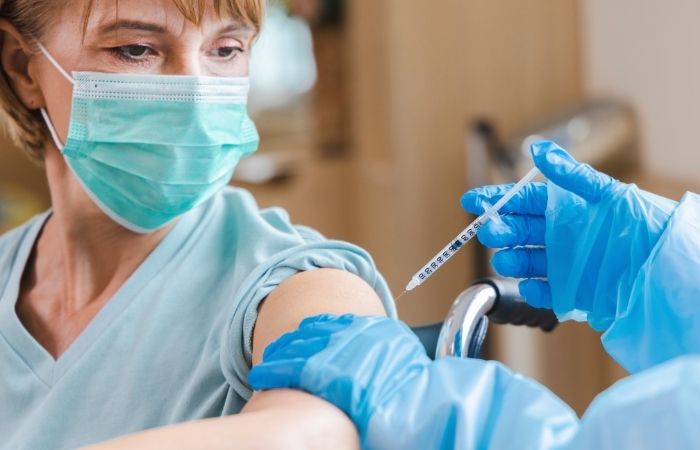
What’s Next After Your COVID-19 Vaccination?
Now that you’ve crossed this important finish line, what should you expect next? This guide provides everything you need to know after getting vaccinated, from understanding immunity to handling side effects, and continuing to protect yourself and others. You’ve done it! Whether you received the single-dose vaccine or the two-dose vaccines, completing your COVID-19 vaccination is a huge accomplishment. It’s not only a personal achievement but also a vital contribution to ending the global pandemic.
But what happens after the vaccination? Does your life immediately return to normal? While the vaccine is a powerful tool in preventing severe illness and hospitalization, there are still several things to consider as your body builds immunity and you continue to navigate the post-vaccination period. Let’s break down what happens next, including potential side effects, ongoing precautions, and when you can finally breathe a little easier.
Understanding What Happens After the Vaccine: Immunity Takes Time
One of the most important things to remember after your vaccination is that immunity doesn’t develop instantly. Your immune system requires time to respond and build defense against the virus.
- How the Vaccine Works: A Gradual Process
After receiving your vaccine, your body begins creating antibodies to fight off the SARS-CoV-2 virus. However, it takes time for these antibodies to fully develop. According to the Centers for Disease Control and Prevention (CDC), the vaccine provides partial immunity after your first dose. Still, full immunity typically builds about two weeks after your second dose. For Johnson & Johnson’s vaccine, immunity begins to develop quickly and reaches full effectiveness around 2 weeks after vaccination. - The Role of the Second Dose
The second dose of a two-dose vaccine is essential. While the first dose triggers an immune response, the second dose significantly strengthens it, boosting your immune defense. The World Health Organization (WHO) emphasizes the importance of completing both doses to ensure that your body has the best possible protection against COVID-19.
Book a consultation with an expert primary care provider virtually.

Common Side Effects After Vaccination: What to Expect
It’s completely normal to experience side effects after receiving the COVID-19 vaccine. These are signs that your body is responding and building immunity.
1. Typical Mild Side Effects
Many people experience mild symptoms within the first 24 to 48 hours, such as:
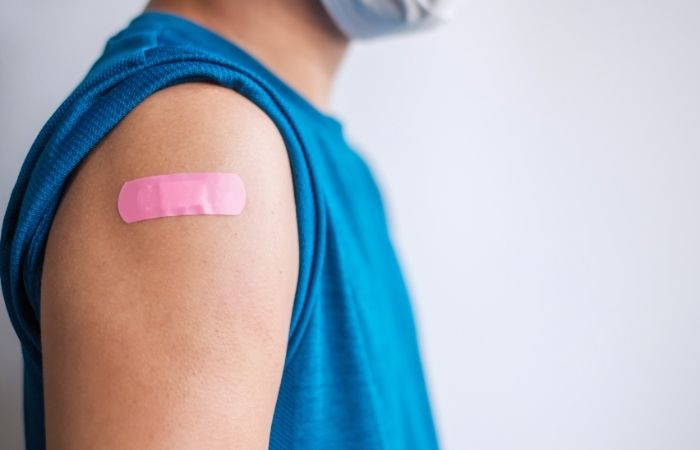
- Soreness at the injection site
- Fatigue
- Headaches
- Fever or chills
- Muscle aches
2. These side effects usually resolve on their own within a few days and are common signs that your body is adapting to the vaccine. The U.S. Food and Drug Administration (FDA) confirms that these symptoms are generally mild and temporary.
3. Why Do These Side Effects Occur?
The soreness, fever, and fatigue are the results of your immune system activating to fight the virus. The immune response involves inflammation, which is why you might feel some discomfort. It’s important to remember that these side effects are normal and indicate that the vaccine is working as intended.
4. Rare Side Effects to Watch For
Although uncommon, there are a few rare but serious side effects that you should watch for, such as:
- Severe allergic reactions (anaphylaxis) may occur within minutes of receiving the vaccine. This is why you are monitored for 15-30 minutes after vaccination.
- Blood clotting disorders, particularly with certain vaccines like AstraZeneca, though these events are rare.
5. If you experience any severe symptoms such as shortness of breath, swelling of the face or throat, or a persistent high fever, seek medical attention immediately.
Post-Vaccination Precautions: Why You Still Need to Be Cautious
Even after getting vaccinated, it’s essential to continue practicing safety measures. Here’s why:
Emerging Variants:
COVID-19 variants, like the Delta variant, are more transmissible than earlier strains. While the vaccine offers strong protection against severe illness, the CDC still recommends mask-wearing and social distancing in crowded indoor settings, especially in areas with high transmission rates. The vaccine is highly effective in preventing severe outcomes, but no vaccine is 100% effective in preventing infection, which is why precautions remain important.
Vaccine Protection vs. Transmission:
Fully vaccinated people are less likely to experience severe illness or hospitalization from COVID-19, but they could still carry the virus and transmit it to others. Continued safety measures, like wearing masks in public spaces, are essential to further reduce the spread of the virus, especially in regions with low vaccination rates.
When Can You Return to Normal Life?
It’s exciting to think about life returning to normal post-vaccination, but it’s important to approach this transition with caution.
Herd Immunity
Herd immunity occurs when enough people are immune to the virus, either through vaccination or previous infection, reducing its ability to spread. Achieving herd immunity is key to stopping COVID-19 transmission. However, it’s important to note that we are not there yet, and the CDC still recommends mask-wearing in some scenarios.
Follow Local Guidelines
The timeline for when it’s safe to drop safety measures like mask-wearing will depend on your local area’s vaccination rate and case numbers. Federal and state health authorities will adjust guidelines based on these factors. In places with high vaccination rates, restrictions may ease, but in areas with significant outbreaks, it’s essential to remain cautious.
Mental Health Considerations After Vaccination: Navigating Your Emotions
Getting vaccinated brings hope and relief for many, but the journey through the pandemic has been emotionally taxing. Here’s how to cope:
- Vaccination Relief and Anxiety:
Many people feel a sense of relief and hope after being vaccinated. However, there may also be lingering anxiety about new variants or what the next phase of the pandemic will look like. These feelings are completely normal, and it’s important to manage them by staying informed and practicing self-care. - Taking Care of Your Mental Health:
Engaging in stress-relieving activities, such as mindfulness, exercise, or talking to a therapist, can help ease any lingering anxieties. If you are feeling overwhelmed or unsure, reach out for support, whether through mental health resources or loved ones.
Book a consultation with an expert primary care provider virtually.
Additional Considerations for Special Groups
Certain groups should consider additional precautions and personalized medical advice post-vaccination:
- Pregnant and Breastfeeding Women:
Current evidence supports the safety of COVID-19 vaccines for pregnant and breastfeeding women. However, it’s always a good idea to consult with your healthcare provider for personalized guidance. - Immunocompromised Individuals:
Individuals with weakened immune systems may not develop full immunity after vaccination. It’s important to continue following safety precautions and consult your healthcare provider about any additional steps to take.
What to Do if You Experience Unusual Symptoms
If you experience severe or persistent symptoms after vaccination, don’t hesitate to seek medical advice. Some symptoms to watch for include:
- Difficulty breathing
- Persistent pain or swelling in the legs
- Unusual bruising or rashes
- Moving Forward with Confidence
Completing your COVID-19 vaccination is a monumental achievement, but it’s not the end of the road. Continue to take precautions, stay informed, and monitor your health as you adapt to life post-vaccination. Together, we can work toward a safer, healthier future for everyone.
Frequently Asked Questions
After receiving your vaccine, it’s important to monitor for mild side effects like soreness, fatigue, or headaches. Continue practicing safety measures, including wearing masks and social distancing, especially in areas with high transmission rates, as full immunity takes time to develop.
It typically takes about two weeks after your second dose (for two-dose vaccines) to develop full immunity. For Johnson & Johnson's one-dose vaccine, immunity begins to develop within two weeks as well.
Common side effects include soreness at the injection site, fatigue, headaches, mild fever, chills, and muscle aches. These symptoms usually resolve within a few days and are a sign that your body is building immunity.
Although rare, severe allergic reactions (anaphylaxis) or blood clotting disorders can occur. If you experience symptoms like shortness of breath, swelling of the face or throat, or persistent high fever, seek medical attention immediately.
Not yet. While the vaccine provides strong protection against severe illness, you could still carry the virus and spread it to others. Continue to wear a mask in crowded or indoor spaces, especially in areas with high transmission rates or low vaccination rates.
You should continue practicing social distancing and other safety measures until a significant portion of the population is vaccinated and the risk of virus transmission is low. Local guidelines and case numbers will determine when it’s safe to ease these precautions.
Current evidence suggests that COVID-19 vaccines are safe for pregnant and breastfeeding women. However, it’s important to consult your healthcare provider for personalized advice based on your health situation.
If you experience severe or persistent symptoms like difficulty breathing, persistent pain or swelling in the legs, or unusual bruising, contact a healthcare provider immediately. It’s always better to seek medical advice if you're concerned about any post-vaccination symptoms.
Book a consultation with an expert primary care provider virtually.