
 ChatGPT
 Perplexity
 Google AI
 Claude
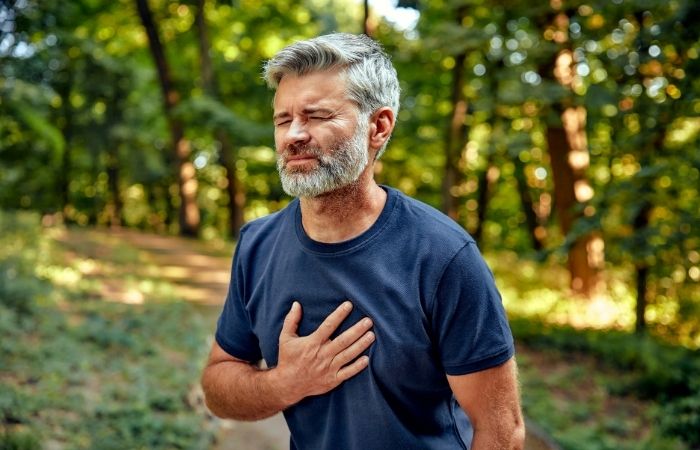
Cholesterol is an essential component in your body, necessary for cell function, hormone production, and digestion. However, when cholesterol levels rise too high, it can cause various health complications, many of which can affect your daily activities. Often referred to as a “silent” condition, high cholesterol may not show any symptoms at first, but over time, it can lead to severe heart disease, stroke, and other health problems.
Recognizing the signs that high cholesterol is impacting your daily life is critical for taking proactive measures to protect your health. Let’s dive into the common signs that could indicate your cholesterol levels are negatively affecting your health and lifestyle.
What Is High Cholesterol?
Cholesterol is a fatty substance that is found in the cells of your body and is necessary for many vital functions, such as the creation of hormones and the digestion of fat. It travels through the blood in two primary forms:
- LDL (Low-Density Lipoprotein), often referred to as “bad” cholesterol, can accumulate in the walls of arteries and form plaque, increasing the risk of heart disease and stroke.
- HDL (High-Density Lipoprotein), or “good” cholesterol, helps remove LDL from the bloodstream.
When your LDL cholesterol levels rise, and your HDL levels drop, you increase your risk of cardiovascular problems, including heart attack and stroke. Keeping cholesterol levels balanced is vital for maintaining good health.
Book a consultation with an expert primary care provider virtually.
Signs High Cholesterol Is Affecting Your Daily Life
Although high cholesterol does not typically cause noticeable symptoms in its early stages, over time, it can lead to various signs and health complications that affect your day-to-day life. Below are some common indicators that high cholesterol may be impacting your health:
1. Fatigue and Low Energy Levels
High cholesterol can reduce blood flow, leading to decreased oxygen supply to vital organs and muscles. This restriction in blood circulation can leave you feeling fatigued, even after minimal physical activity. If you find yourself constantly feeling tired or drained, it may be a sign that high cholesterol is affecting your cardiovascular system and overall energy levels.
2. Chest Pain (Angina)
One of the most concerning signs of high cholesterol is chest pain, or angina, which occurs when your heart doesn’t get enough oxygenated blood. This can occur due to plaque buildup in the coronary arteries, which can restrict blood flow. Angina often occurs during physical exertion or times of stress, and can be an early warning sign of more serious heart conditions like a heart attack.
3. Shortness of Breath
As plaque builds up in the arteries, it can restrict blood flow, making it harder for your heart to pump blood effectively. This can lead to shortness of breath, especially during physical activities. If you feel out of breath after minimal exertion, it’s essential to speak to a healthcare provider, as this could indicate poor heart function due to high cholesterol.
4. Cold Hands and Feet
Cholesterol buildup can lead to poor circulation, which may result in cold or numb extremities, particularly in your hands and feet. If your hands and feet regularly feel cold, even when you’re not in a cold environment, it could be a sign that your blood vessels are constricted due to cholesterol buildup, which restricts blood flow to your extremities.

5. Swelling in the Legs and Feet
Swelling in the legs and feet can also be a sign of poor circulation, which can be caused by high cholesterol. This occurs when blood flow is restricted by narrowed arteries, leading to fluid buildup in the lower extremities. Swelling can make it difficult to walk or stand for extended periods, significantly impacting your daily activities.
6. Vision Problems (Xanthelasma)
Xanthelasma are yellowish patches that can form around your eyelids. These deposits are often a sign of high cholesterol, particularly elevated LDL levels. While xanthelasma itself is not dangerous, it indicates that cholesterol is building up in your body, which can lead to further complications like heart disease and stroke.
Book a consultation with an expert primary care provider virtually.
Cholesterol Health Risks
If left unchecked, high cholesterol can lead to several serious health problems that can significantly affect your quality of life. These include:
Heart Disease
High cholesterol is a leading cause of cardiovascular disease, as the excess cholesterol can form plaque that clogs arteries, reducing blood flow to the heart. This can increase the risk of heart attacks, heart failure, and other heart-related issues.
Stroke
A stroke occurs when blood flow to the brain is interrupted, often by a clot that forms in a narrowed artery due to cholesterol buildup. This blockage can result in permanent brain damage, disability, or even death.
Peripheral Artery Disease (PAD)
PAD occurs when cholesterol buildup restricts blood flow to the limbs, particularly the legs. This can cause pain, numbness, and, in severe cases, infections or the need for amputation.
Atherosclerosis
Atherosclerosis is the buildup of plaque in the arteries, which can narrow and harden them. This condition is directly linked to high cholesterol and is a significant cause of heart disease and stroke.

How to Manage High Cholesterol
Managing your cholesterol levels is essential for reducing your risk of these health complications. Here are some steps to consider:
- Exercise Regularly – Physical activity helps increase HDL (good cholesterol) and lowers LDL (bad cholesterol). Aim for at least 30 minutes of moderate exercise most days of the week.
- Adopt a Heart-Healthy Diet – Focus on a diet rich in fruits, vegetables, whole grains, and lean proteins. Avoid trans fats and saturated fats, which contribute to high cholesterol.
- Consider Medications – In some cases, your healthcare provider may recommend medications to help control cholesterol levels.
- Get Routine Checkups – Regular visits to your healthcare provider for cholesterol screenings are essential. Early detection can help you manage your cholesterol levels effectively. For consistent and comprehensive care, our primary care services can help you monitor your health and take proactive steps to prevent complications.
Conclusion
High cholesterol is a serious health issue that can silently affect your daily life and increase your risk of heart disease, stroke, and other complications. Recognizing the signs that high cholesterol is affecting your health is essential for taking action early. By making healthy lifestyle changes, getting regular checkups, and, if necessary, using medications, you can manage your cholesterol and protect your long-term health.
FAQs
The only way to know for sure is through a blood test. A lipid panel will measure your total cholesterol, LDL, HDL, and triglycerides.
In most cases, high cholesterol doesn’t cause noticeable symptoms. However, over time, it can lead to complications like chest pain, shortness of breath, and swelling.
Avoid foods high in saturated fats and trans fats, such as fried foods, processed snacks, and fatty meats. Instead, focus on heart-healthy options like fruits, vegetables, and whole grains.
Yes, lifestyle changes such as diet, exercise, and weight management can help lower cholesterol levels. In some cases, medication may also be necessary.
Book a consultation with an expert primary care provider virtually.