
 ChatGPT
 Perplexity
 Google AI
 Claude
At a Glance
- Performance anxiety is a common psychological factor that can contribute to erectile dysfunction (ED).
- Sexual performance anxiety affects about 9–25% of men and can contribute to psychogenic ED.
- Erectile dysfunction is a widespread condition, with projections suggesting over 322 million men worldwide may experience ED by 2025.
- Anxiety and stress can disrupt normal sexual response by interfering with mental focus and arousal.
- Psychological factors such as stress, relationship problems, and negative beliefs may account for 10–20% of ED cases.
Introduction
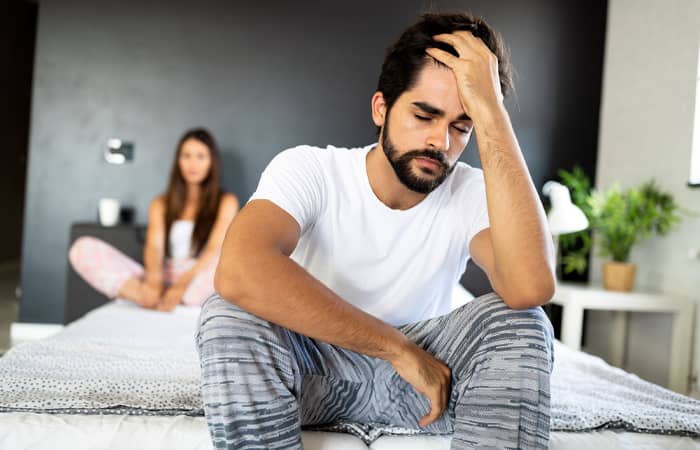
Erectile dysfunction (ED) is not always caused by physical health issues. In many cases, psychological factors, especially performance anxiety play a major role. When a person feels pressure to perform during intimacy, it can interfere with natural arousal and lead to temporary or ongoing erectile difficulties.
What Is Erectile Dysfunction (ED)?
Erectile dysfunction is defined as the persistent inability to achieve or maintain an erection sufficient for satisfactory sexual performance. (PMC) It is one of the most common male sexual health conditions worldwide and can affect men of all ages.
Common symptoms of ED:
- Difficulty achieving an erection
- Trouble maintaining an erection during intercourse
- Reduced sexual desire
- Anxiety about sexual performance
Although ED is often linked to physical conditions such as cardiovascular disease or diabetes, psychological factors can also contribute significantly.
What Is Performance Anxiety?
Sexual performance anxiety refers to the fear of not performing well sexually or not satisfying a partner. This worry can trigger stress and self-doubt that interfere with arousal.
Common triggers include:
- Fear of disappointing a partner
- Past sexual difficulties
- Body image concerns
- Relationship stress
- Pressure to perform perfectly
When anxiety becomes intense, it can interfere with sexual function and contribute to erectile dysfunction.
Find answers to your health questions with a quick virtual visit.

The Link Between Performance Anxiety and ED
Performance anxiety can directly impact sexual function by triggering the body’s stress response. This reduces focus, increases tension, and may restrict blood flow needed for an erection. Over time, this can create a cycle where fear of failure leads to repeated difficulties.
Many individuals now explore online anxiety treatment to manage stress and negative thought patterns contributing to ED. Additionally, access to erectile dysfunction treatment online has made it easier to address both psychological and physical causes in a private and convenient way.
When a person becomes overly focused on their ability to perform sexually, anxiety can interfere with the body’s normal sexual response. This creates a cycle of worry, stress, and reduced performance that may lead to erectile dysfunction. Understanding whether performance anxiety can cause ED and how to address it is an important step toward improving sexual health and confidence.
How Performance Anxiety Causes ED
1. Stress Response and Hormones
When a person feels anxious, the body activates the fight-or-flight response. This response increases stress hormones like adrenaline and cortisol. These hormones can restrict blood flow and interfere with the physiological process needed for an erection. Since erections rely on proper blood circulation and relaxation of penile muscles, stress can disrupt this process.
2. Negative Thought Patterns
Performance anxiety often involves negative thoughts such as:
- “What if I can’t get an erection?”
- “What if I disappoint my partner?”
- “What if something goes wrong?”
These thoughts distract the brain from sexual stimulation and prevent full arousal. Anxiety-related cognitive factors including dysfunctional beliefs and automatic negative thought scan inhibit normal sexual responses and contribute to ED.
3. The Anxiety–ED Cycle
Performance anxiety can create a self-reinforcing cycle:
| Stage | What Happens |
|---|---|
|
Fear of failure |
Anxiety about sexual performance begins |
|
Reduced arousal |
Anxiety interferes with erection |
|
Sexual difficulty |
ED occurs during intimacy |
|
Increased worry |
Fear of future sexual failure grows |
This cycle can cause occasional erection difficulties to become persistent.

Risk Factors for Performance Anxiety ED
Certain factors may increase the likelihood of experiencing anxiety-related erectile dysfunction.
Psychological factors
- Stress and anxiety disorders
- Depression
- Low self-esteem
- Fear of sexual failure
Relationship factors
- Poor communication with partner
- Relationship conflicts
- Lack of emotional intimacy
Lifestyle factors
- Excessive alcohol consumption
- Sleep problems
- High work stress
- Lack of exercise
In many cases, ED results from a combination of psychological and physical factors rather than a single cause.
Performance Anxiety vs Physical ED
Understanding whether ED is psychological or physical can help guide treatment.
| Feature | Psychological ED | Physical ED |
|---|---|---|
|
Onset |
Sudden |
Gradual |
|
Erections during sleep |
Usually present |
Often absent |
|
Occurs with specific partner |
Often |
Less common |
|
Stress or anxiety related |
Yes |
Not necessarily |
Psychological ED is often more common in younger men, while physical causes become more prevalent with age.
Find answers to your health questions with a quick virtual visit.
Can Performance Anxiety Be Treated?
Yes. Performance anxiety-related erectile dysfunction is often highly treatable once the underlying cause is addressed.
1. Cognitive Behavioral Therapy (CBT)
CBT helps individuals identify negative beliefs and develop healthier thought patterns. Research shows cognitive-behavioral therapy and mindfulness techniques can improve sexual performance anxiety and related dysfunction.
2. Sex Therapy
Sex therapy focuses on improving communication, intimacy, and sexual confidence.
It may involve:
- Guided exercises with a partner
- Education about sexual response
- Techniques to reduce performance pressure
Sex therapy can help rebuild confidence after negative sexual experiences.
3. Lifestyle Changes
Healthy lifestyle habits can support both mental and physical sexual health.
Recommended habits include:
- Regular exercise
- Stress management techniques
- Limiting alcohol
- Improving sleep
4. Medical Treatments
When psychological factors coexist with physical causes, doctors may recommend medical treatments such as:
- PDE5 inhibitor medications
- Hormone therapy if needed
- Treatment for underlying health conditions
Clinical guidelines recommend comprehensive assessment including physical and psychological evaluation when diagnosing ED.

How Telehealth Can Help Treat Performance Anxiety
Telehealth and online therapy have made it easier to address performance anxiety in a private and convenient way. Through virtual consultations, individuals can connect with licensed professionals without the discomfort of in-person visits, which is especially important for sensitive concerns like sexual health.
Online therapy often includes evidence-based approaches such as cognitive behavioral therapy (CBT), which helps identify negative thought patterns and replace them with healthier responses. Many platforms also offer guided techniques for stress management, relaxation, and improving confidence during intimacy.
By combining online anxiety treatment with access to erectile dysfunction treatment online, telehealth provides a comprehensive approach that targets both the psychological and physical aspects of ED. This integrated care can help break the cycle of anxiety and restore overall sexual well-being.
When Should You Seek Professional Help?
You may want to consult a healthcare professional if:
- ED occurs frequently or consistently
- Anxiety about sex is affecting relationships
- Erectile problems persist for several months
- You experience emotional distress related to sexual performance
A doctor or mental health professional can help identify the cause and recommend appropriate treatment.
FAQs
Yes. Performance anxiety can trigger stress responses and negative thoughts that interfere with arousal and lead to erectile dysfunction.
Yes. Studies suggest sexual performance anxiety affects 9–25% of men, making it a significant contributor to psychogenic erectile dysfunction.
In many cases, yes. Psychological ED can improve with therapy, stress management, and open communication with a partner.
Common strategies include relaxation techniques, cognitive behavioral therapy, sex therapy, and focusing on intimacy rather than performance.
Psychological ED is primarily caused by mental or emotional factors such as anxiety or stress, while physical ED is related to medical issues like cardiovascular disease, hormonal imbalance, or nerve damage.
Yes. Psychological treatments such as cognitive behavioral therapy and sex therapy are often recommended for anxiety-related erectile dysfunction.
Find answers to your health questions with a quick virtual visit.