
 ChatGPT
 Perplexity
 Google AI
 Claude
Why “young adult hypertension” is rising, and why it’s easy to miss
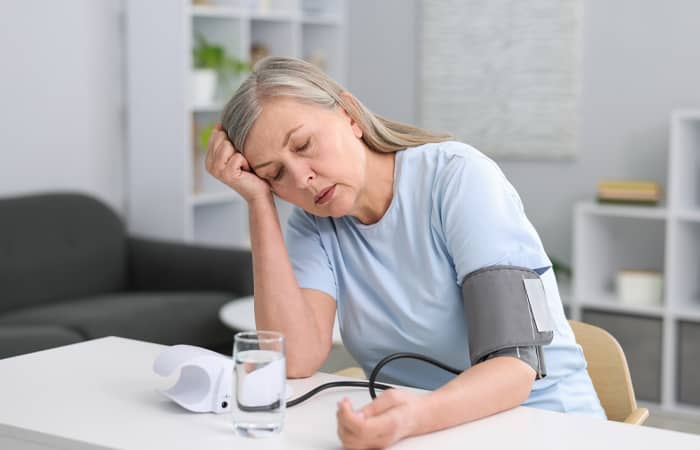
Many people still think hypertension is an “older adult” problem. However, modern research shows it is far more common in younger populations than most expect. In the United States, approximately 23.4% of adults aged 18–39 meet the clinical criteria for hypertension, according to national survey data from the CDC.
The greater concern is that high blood pressure often causes no noticeable symptoms, even when levels are persistently elevated. This is why hypertension is widely referred to as a silent condition. Without early screening and coordinated care, it can quietly damage blood vessels, the heart, kidneys, and brain over time. Early diagnosis through routine primary care visits and proactive management of hypertension with telehealth or medications can significantly reduce long-term cardiovascular risk and improve overall health outcomes in young adults.
Medical note: If your blood pressure is ≥180/120 mm Hg or you have chest pain, severe headache, shortness of breath, weakness, or vision changes, seek emergency care.
What counts as high blood pressure (and why the numbers matter)
Blood pressure is written as systolic/diastolic (example: 128/82). Systolic is the pressure when the heart pumps; diastolic is between beats.
Blood pressure categories (adult)
| Category | Systolic (top) | Diastolic (bottom) | What it usually means |
|---|---|---|---|
|
Normal |
<120 |
and <80 |
Maintain habits + routine checks |
|
Elevated |
120–129 |
and <80 |
Lifestyle changes to prevent progression |
|
Stage 1 Hypertension |
130–139 |
or 80–89 |
Often lifestyle + risk-based treatment |
|
Stage 2 Hypertension |
≥140 |
or ≥90 |
Lifestyle + medication commonly needed |
|
Hypertensive crisis |
≥180 |
and/or ≥120 |
Urgent evaluation (especially with symptoms) |
These thresholds align with the 2017 ACC/AHA guideline framework commonly used in clinical practice.
Book a consultation with an expert primary care provider virtually.

Why hypertension in your 20s or 30s is a big deal
High blood pressure isn’t just a “number.” It’s an ongoing mechanical stress on blood vessels. Starting earlier can mean longer lifetime exposure, which increases the chance of:
- Heart disease (left ventricular hypertrophy, coronary disease)
- Stroke risk over time
- Kidney damage (microvascular injury)
- Eye damage (retinopathy)
Research consistently links earlier-onset hypertension with higher long-term cardiovascular risk and outcomes, especially when elevated pressures persist.
Common causes and risk factors in young adults
High blood pressure in young adults often comes from a mix of lifestyle, genetics, and sometimes another medical condition.
1) Lifestyle and metabolic factors
- Weight gain/central obesity
- High sodium intake + low potassium intake
- Low physical activity
- Frequent alcohol use
- Nicotine/vaping
- Chronic stress and poor sleep
2) Family history and genetics
If parents or siblings have hypertension (especially early), your risk rises.
3) Sleep problems (often overlooked)
Obstructive sleep apnea can raise blood pressure and worsen control. Loud snoring, pauses in breathing, morning headaches, and daytime sleepiness are clues.
4) Medications and substances that can raise BP
Common examples include:
- NSAIDs (frequent use)
- Stimulants (including some ADHD meds)
- Decongestants (pseudoephedrine)
- Steroids
- Some hormonal contraceptives
- High caffeine “stacking” with energy drinks
- Recreational drugs (e.g., cocaine, amphetamines)
5) Secondary hypertension (especially important in younger patients)
When blood pressure is high because of another condition, it’s called secondary hypertension. It’s more likely to be considered when you’re young, your BP is severe, resistant to meds, or started suddenly.
Potential causes include:
- Kidney disease
- Renal artery problems (including fibromuscular dysplasia)
- Primary aldosteronism (hormonal cause)
- Thyroid disorders
A clinical review highlights targeted evaluation in young adults when secondary causes are suspected (including renal artery fibromuscular dysplasia and aldosteronism screening).

No Pain, No Alarm: How Hypertension Stays Undetected
Most young adults with hypertension have no symptoms.
When symptoms do appear, they’re often late or nonspecific, such as:
- Headaches (not a reliable indicator)
- Dizziness
- Shortness of breath on exertion
- Chest discomfort
- Vision changes
The #1 reason young adults get misdiagnosed: incorrect measurement
Blood pressure is easy to measure incorrectly. Cuff size, posture, and timing matter.
How to measure BP at home (the right way)
Follow evidence-based steps like:
- Avoid caffeine, alcohol, and nicotine, and exercise 30 minutes before
- Empty your bladder
- Sit quietly for 5 minutes, back supported, feet flat
- Arm supported at heart level
- Use a validated monitor with the correct cuff size
- Take two readings, 1 minute apart, and record both
These steps are consistent with the American Heart Association home BP instructions.
Why Clinic Blood Pressure Alone Is Not Enough
A single elevated clinic reading isn’t enough for many people, especially young adults who may have anxiety in medical settings.
The USPSTF recommends screening adults 18+ and confirming diagnosis with out-of-office measurements before starting treatment (home BP or ambulatory monitoring).
White-coat vs. masked hypertension (why it matters)
- White-coat hypertension: high in clinic, normal at home
- Masked hypertension: normal in clinic, high at home (more dangerous than it sounds)
Masked hypertension is common enough that it’s a real concern; a population-based analysis reports meaningful prevalence across age groups.
Tip: If your home readings are consistently higher than clinic readings (or vice versa), ask about ambulatory BP monitoring (ABPM) or a structured home BP log.
Book a consultation with an expert primary care provider virtually.
What to do if you get high readings
Step 1: Don’t panic. Verify correctly
- Repeat measurement properly (as above)
- Take readings twice daily for 3–7 days
- Average the readings (ignore day 1 if the readings were unusually high from anxiety)
Step 2: Know when it’s urgent
Seek urgent care if:
- ≥180/120, especially with symptoms (chest pain, severe headache, weakness, confusion, shortness of breath, vision changes)
Step 3: Book a medical review (telehealth can be ideal)
Telehealth is especially useful for young adults because it allows:
- Review of a structured BP log
- Medication review (including stimulants/decongestants)
- Lifestyle coaching with follow-up
- Determining whether you need labs, ECG, kidney testing, or ABPM

Treatment in young adults: lifestyle first, but not lifestyle only
Lifestyle changes that move the needle (often within weeks)
- Reduce sodium and increase whole foods (DASH-style pattern)
- Exercise (aerobic + resistance most days)
- Weight reduction, if applicable
- Limit alcohol
- Quit nicotine
- Sleep optimization and screen for sleep apnea when indicated
When medication may be recommended
Medication decisions depend on:
- Your average BP category
- Other risk factors (diabetes, kidney disease, strong family history)
- Evidence of organ impact (kidney changes, heart changes)
- Persistent readings despite lifestyle changes
If you’re Stage 2, or Stage 1 with additional risks, clinicians often consider medication earlier because the long-term risk of uncontrolled BP is not trivial. (American Heart Association Journals)
A simple home BP plan you can follow
| Timing | What to do | Notes |
|---|---|---|
|
Morning |
2 readings, 1 minute apart |
Before caffeine/meds if possible |
|
Evening |
2 readings, 1 minute apart |
Same time window daily |
|
Duration |
3–7 days |
Longer if readings vary widely |
|
Goal |
Consistent average |
Share your log with your clinician |
And remember: confirming outside the clinic is a best-practice step. (USPSTF)
FAQs
Yes. Genetics, sleep apnea, stress, high sodium intake, alcohol, and stimulants can raise BP even in active people.
Age doesn’t change the definition. Persistent averages in the 130/80+ range meet criteria for hypertension in many guidelines.
Diagnosis usually requires multiple readings on different days, ideally confirmed with home monitoring or ABPM.
That can happen due to anxiety (white-coat effect). Home or ambulatory monitoring helps clarify.
Masked hypertension is when clinic BP looks normal, but home BP is high. It can still increase risk, so home monitoring matters.
A validated upper-arm cuff monitor is preferred. Proper cuff size and technique are essential.
Stress can raise BP short-term and contribute to long-term elevation through sleep disruption, coping behaviors, and hormonal pathways. It’s a contributor, but persistent hypertension should still be evaluated.
They can. High caffeine, stimulants, and “stacking” multiple sources can raise BP and heart rate, especially in sensitive individuals.
Common work-up may include basic labs (kidney function, electrolytes), urine testing, lipids, blood sugar, and sometimes evaluation for secondary causes when indicated.
Telehealth supports structured home BP review, medication optimization, lifestyle coaching, and follow-up, often improving consistency and adherence.
Book a consultation with an expert primary care provider virtually.